Guided Orchard Tour
Every tree and shrub in our orchard is labelled with its name and a number (1 -17). Listen to or read the provided information for each species below to learn more about its origin, fruit flavor profile, and other fun facts! Check out the bottom of this webpage for some tree-related terms you might find helpful during the tour.
pre-graft
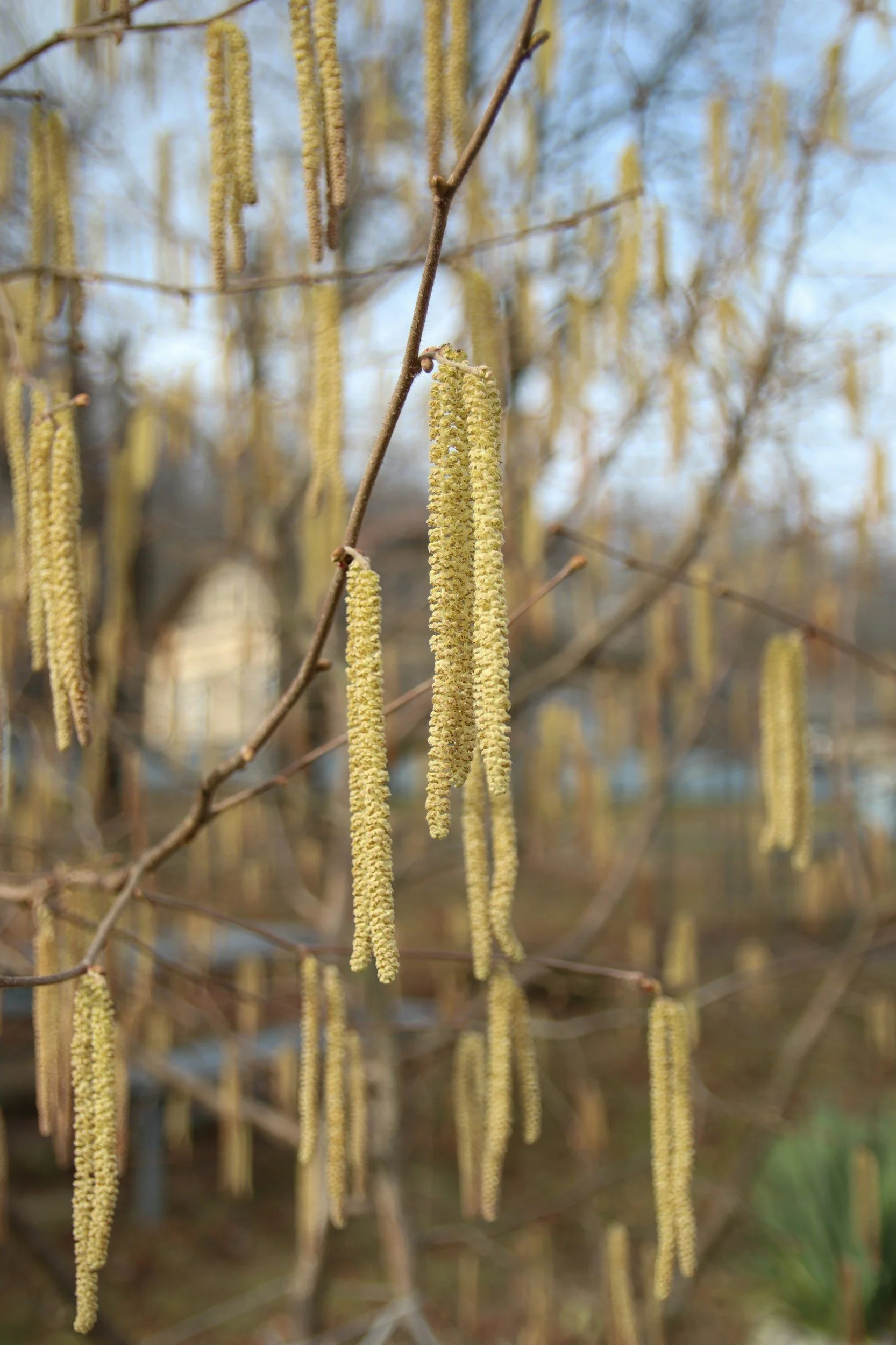
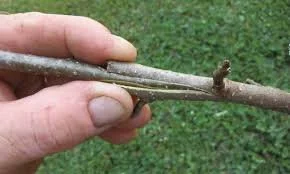
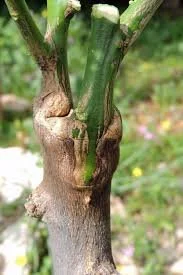
Many of the fruit trees in our orchard are “grafted”. A grafted tree is made up of two tree varieties fused together — one tree providing the roots (called the “rootstock”) and the other providing the tree’s upper portion (called the “scion”). Our grafted trees have crab apple rootstock because crab apple trees display exceptional cold-hardiness, disease-resistance, and adaptability to various soil types.
post-graft
Let’s Begin the Tour!
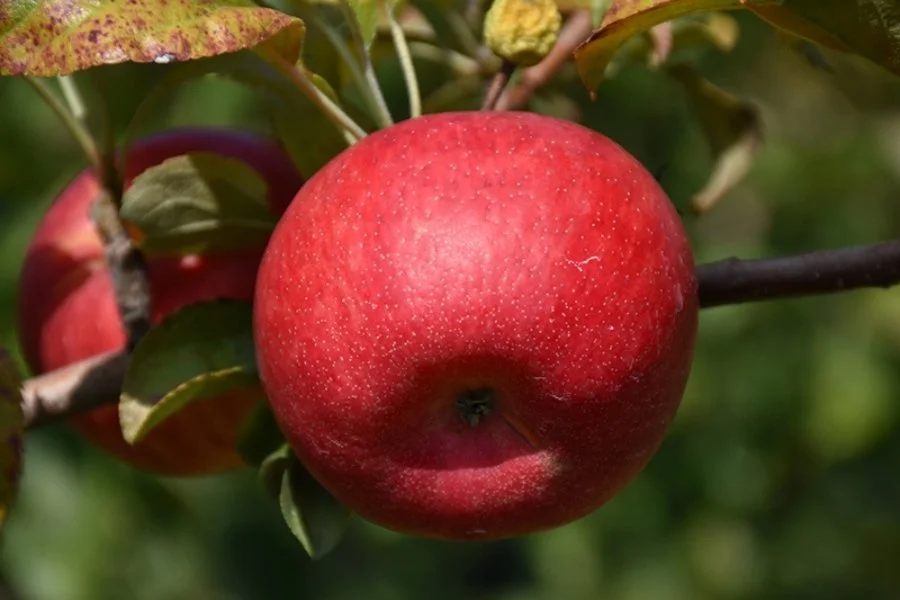
Connel Red Apple
The Connel Red Apple tree is a cold-hardy variety that was discovered in Wisconsin in 1949. Apples from this tree are picked relatively late into harvesting season and the fruit’s flesh has a mild, sweet flavor.
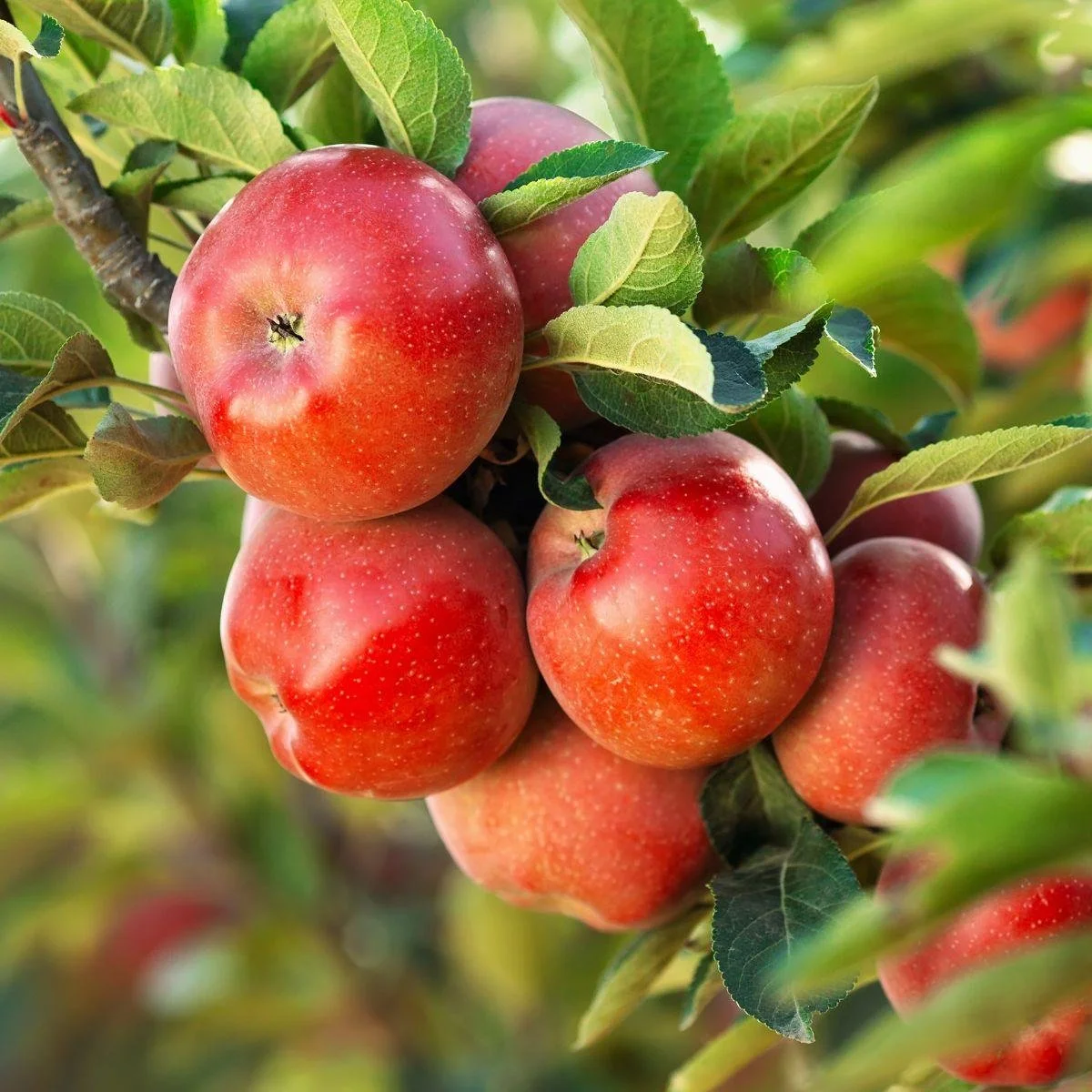
Semi Dwarf Sweet Sixteen Apple
Harvested in late September, the apples produced by this smaller-than-average apple tree have a sweet, acidic, and crisp flavor. Like many dwarf or semi dwarf varieties, this tree is considered “precocious” and begins producing fruit within 3 to 4 years of planting.
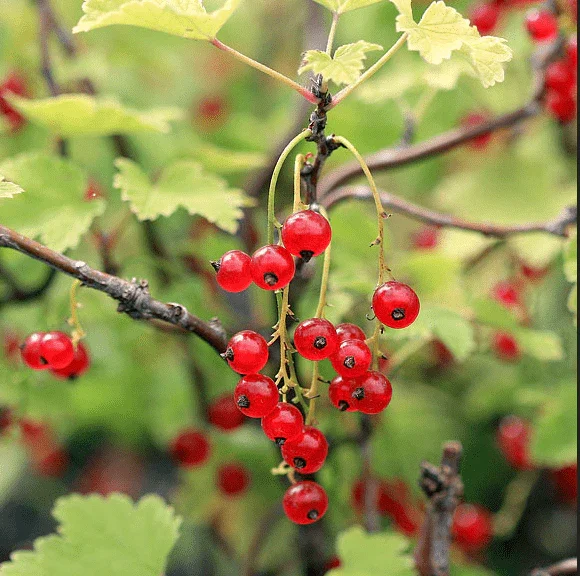
Red Lake Currant
The Red Lake Currant is a deciduous shrub that produces a huge amount of bright red berries, typically harvested in July for peak sweetness. The plant is self-pollinating, meaning it doesn’t have to be planted among its kind in order to reproduce.
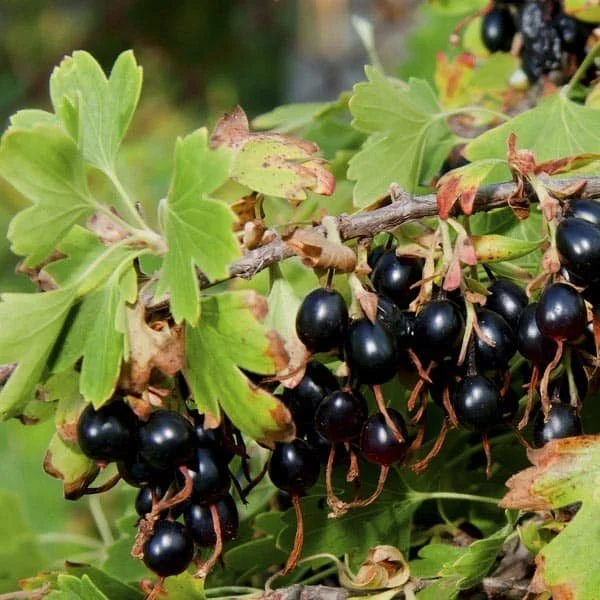
Crandall Currant
The Crandall Currant is commonly called the “clove currant” thanks to the sweet scent of its yellow spring flowers that are enjoyed by humans and pollinators alike. Once harvested in mid-summer, the fruit can be turned into jam, syrup, or raisins.
Deacon Jones Apple
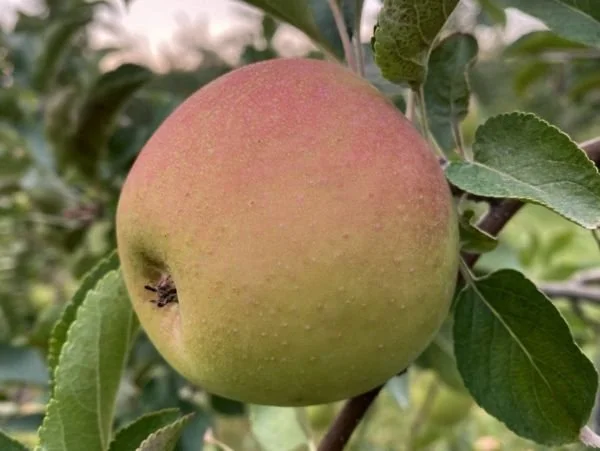
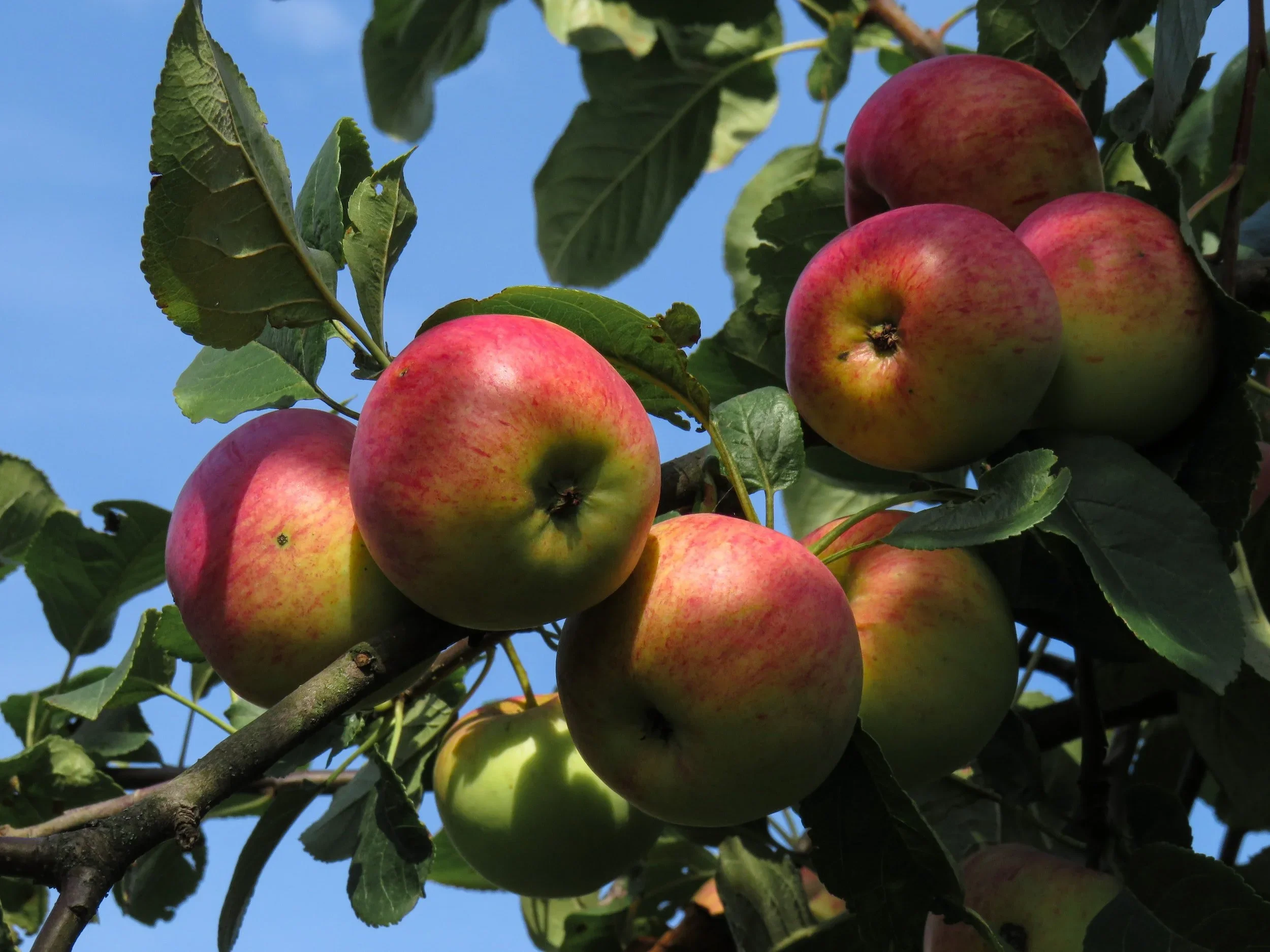
Originating in Pennsylvania, this apple tree yields a mild and sweet fruit that can grow to be the size of a baby’s head! Deacon Jones apples have yellow skin with a reddish blush and are a mid-season harvest.
American Elderberry
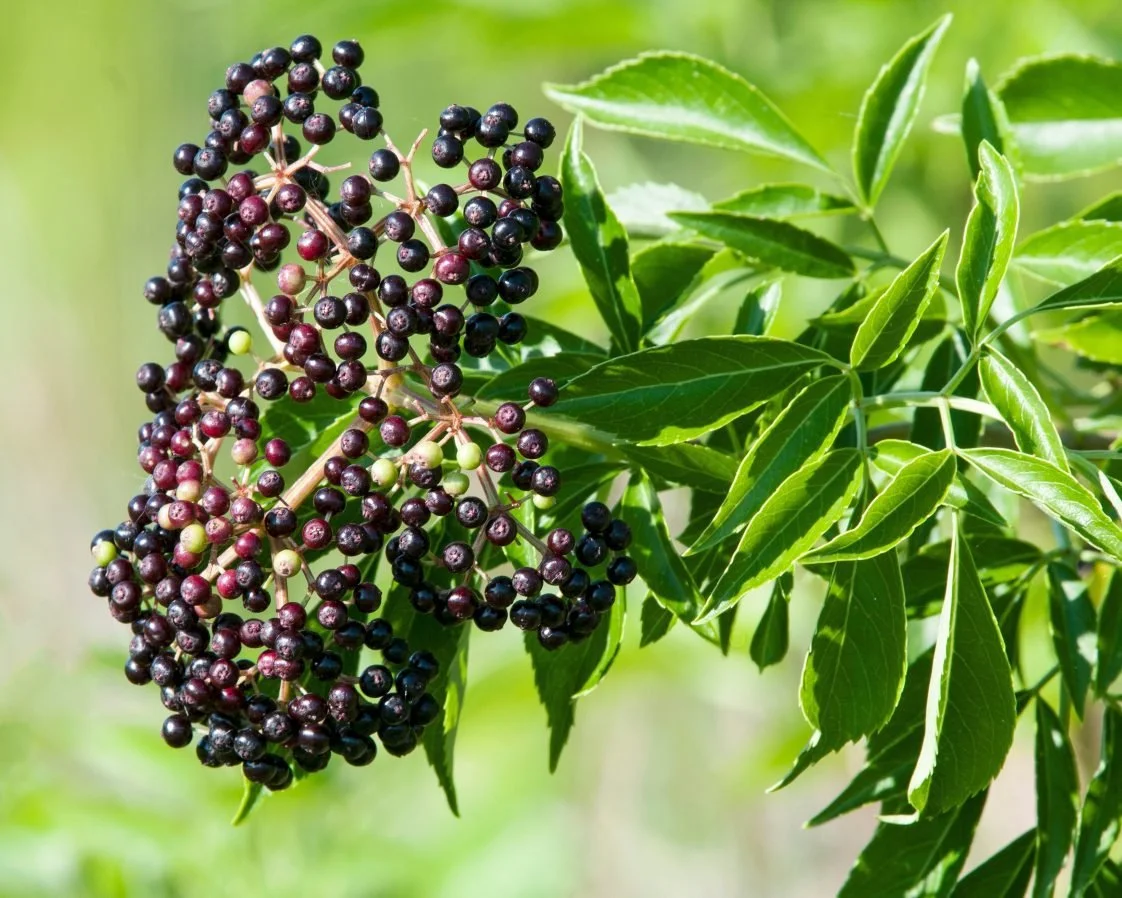
Native to North, Central, and South America, American Elderberry is a woody deciduous shrub that produces white flowers and purple-black drupe. The flower petals and drupe (known as “elderberries”) are commonly used in wine-making and natural medicine.
Caragana
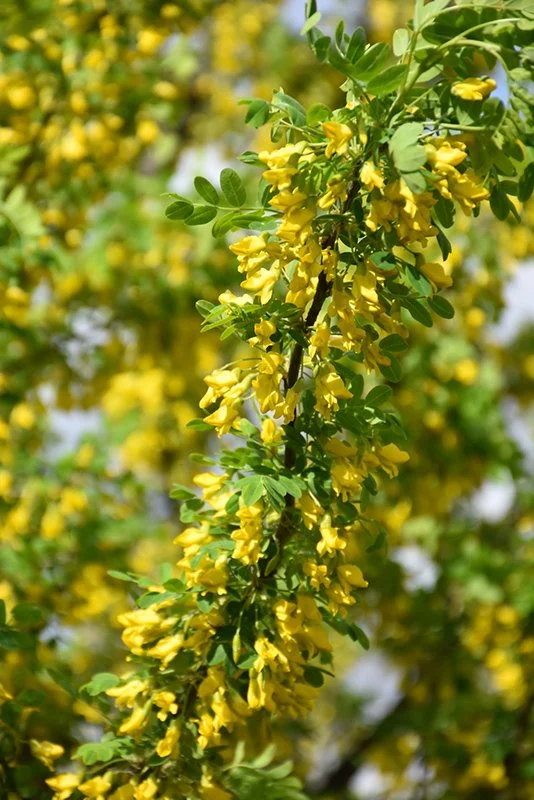
Caragana is a cold-hardy shrub first brought to North America by Russian and North West Asian immigrants as a back-up food crop due to the edibility and hardiness of its seeds and flowers. The plant has also historically provided farmers with windbreaks across farmland. It is sometimes referred to as Siberian peashrub.
Goji Berry
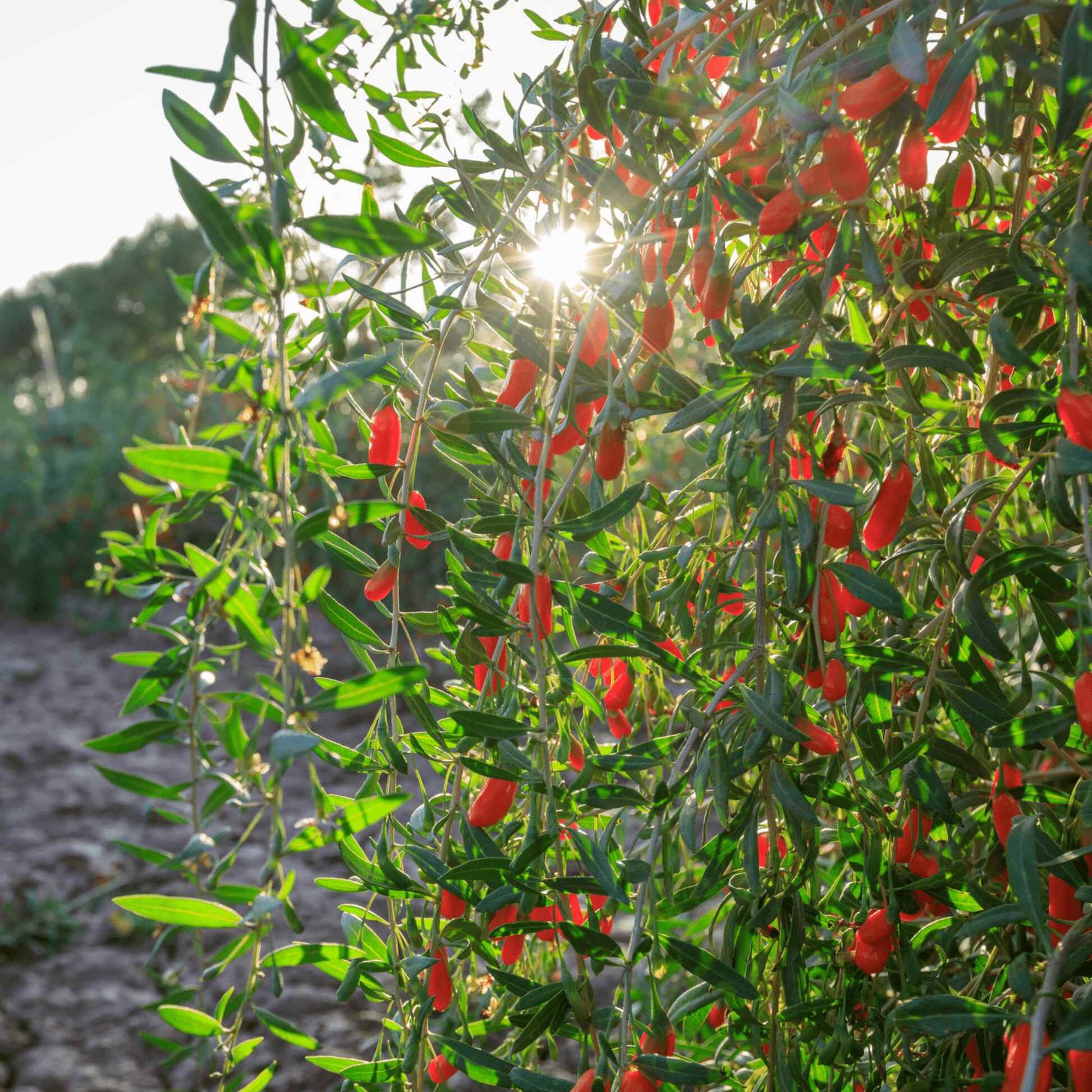
Sometimes called the “Matrimony Vine” because of its status as a traditional gift at weddings in its native China, the Goji Berry is also a staple plant of Chinese medicine. The bright orange-red berries are nutrient dense and antioxidant rich. They grow on a deciduous, woody shrub that is cold-hardy and drought-tolerant.
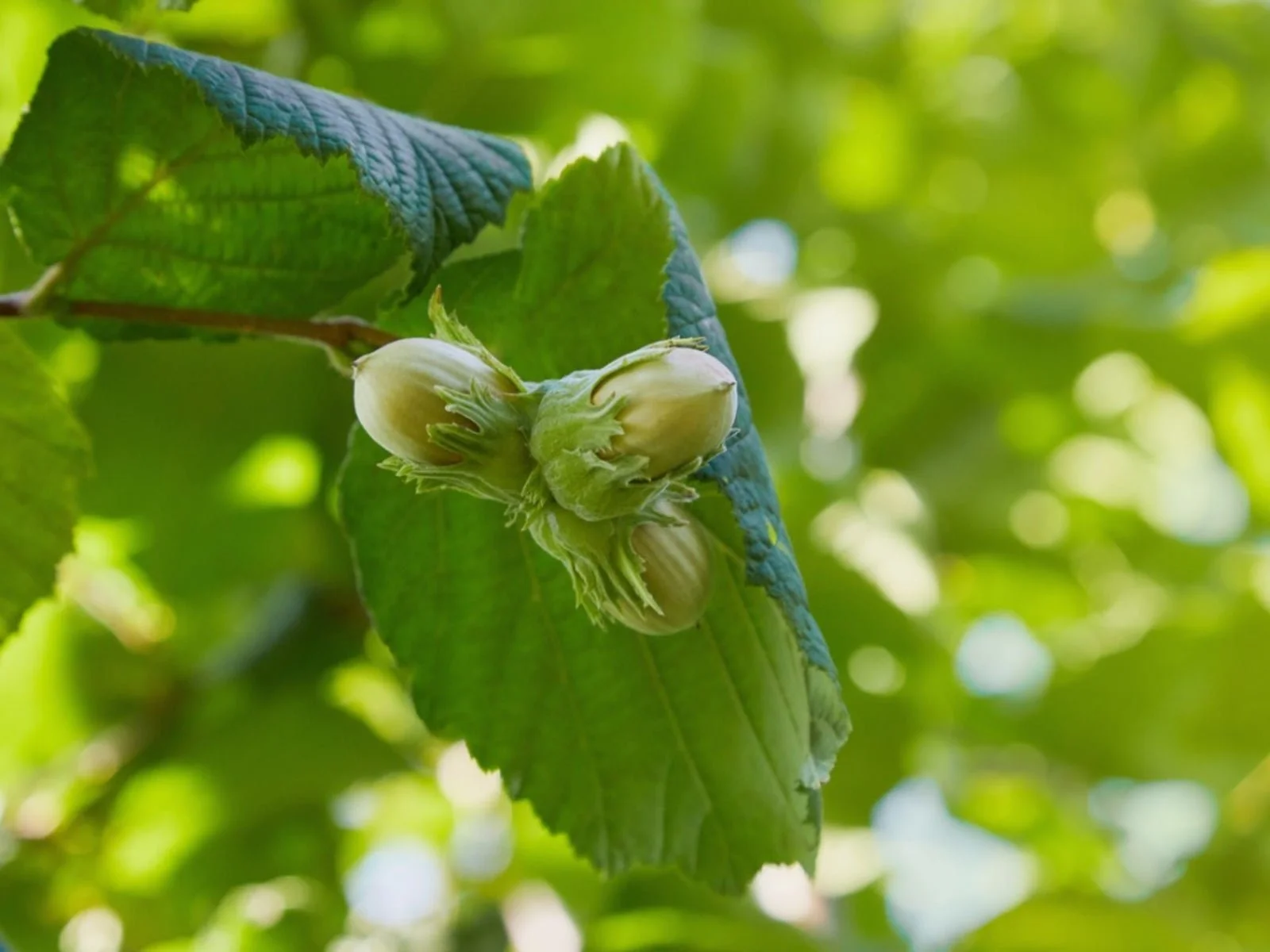
Hazel
The hazel shrub is native to the Eastern and Central regions of the US and produces edible fruit between July and October. These fruits, more commonly known as “hazelnuts”, serve as sustenance for both humans and many types of woodland animals. Additionally, some Native Americans (including the Iroquois, Ojibwe, Chippewa, and Huron) use hazelnuts for medicinal purposes.
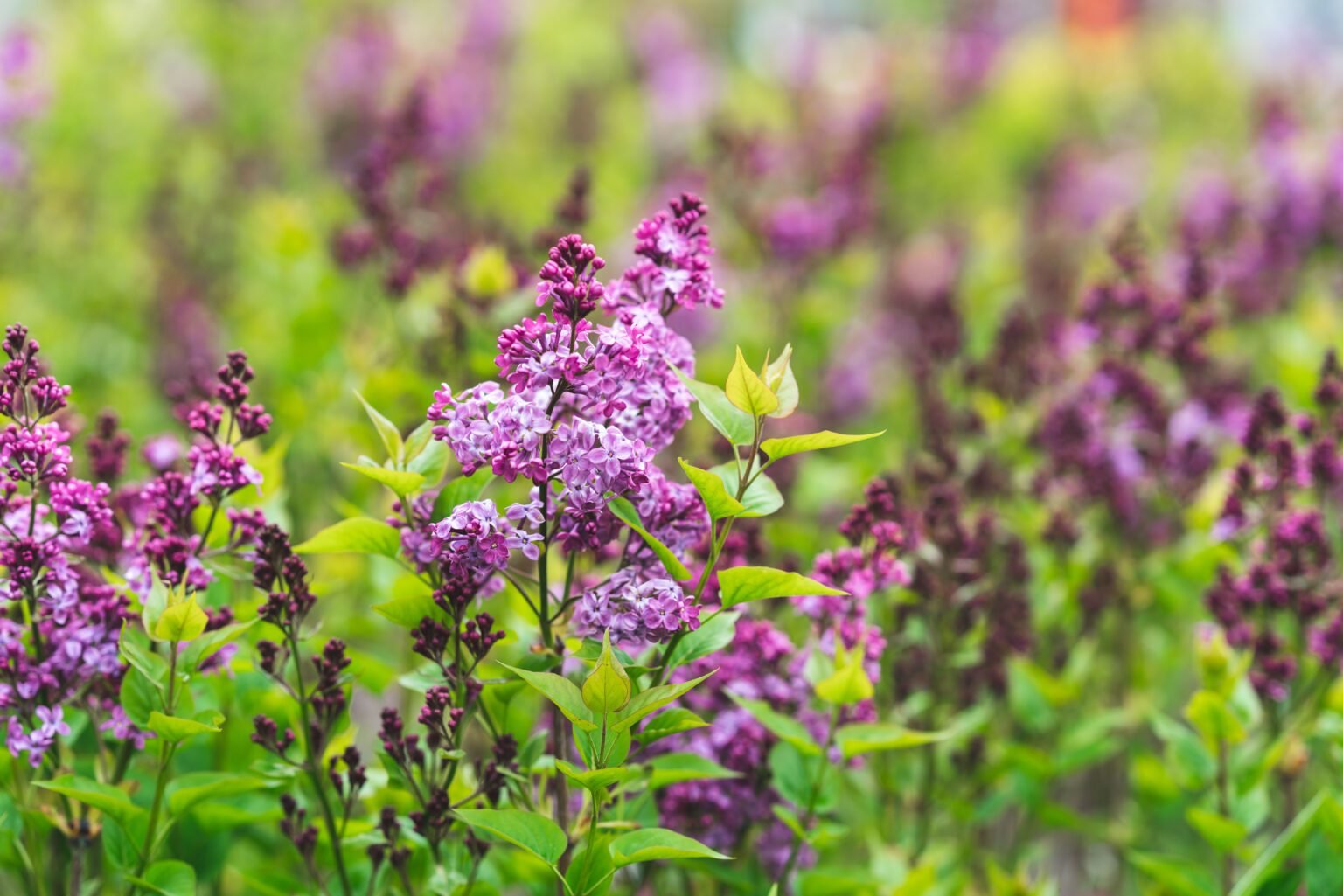
Lilac
The beautiful Lilac shrub blooms in mid to late spring. Its fragrant purple heart-shaped flowers are a favorite of many different pollinators and edible to humans. The Lilac is also the state flower of New Hampshire and is said to symbolize the joy of youth!
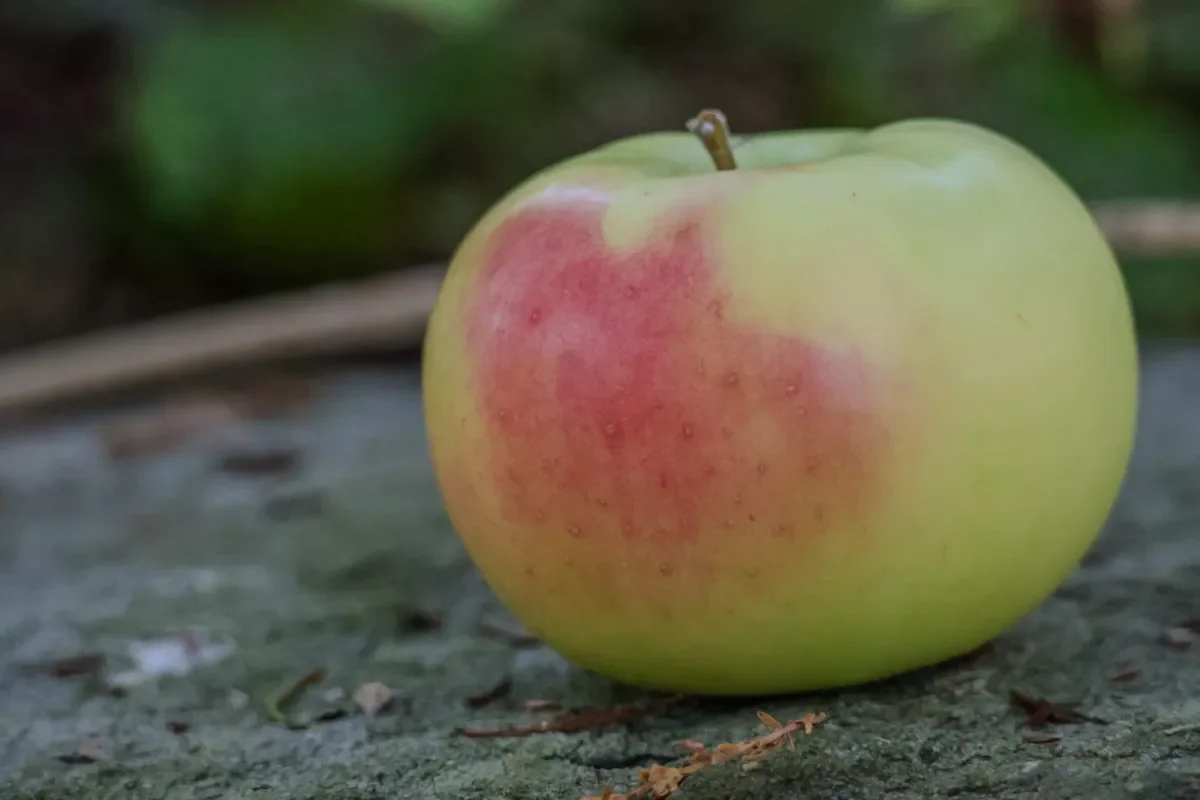
Maiden’s Blush Apple
The Maiden’s Blush Apple tree originated in New Jersey in the late 1700s. Its fruit consists of yellow skin with a reddish blush. While crisp and tart upon picking, the apple’s flavor mellows and sweetens with time. It’s said to be a great choice for making dried fruit due to its low juice content.
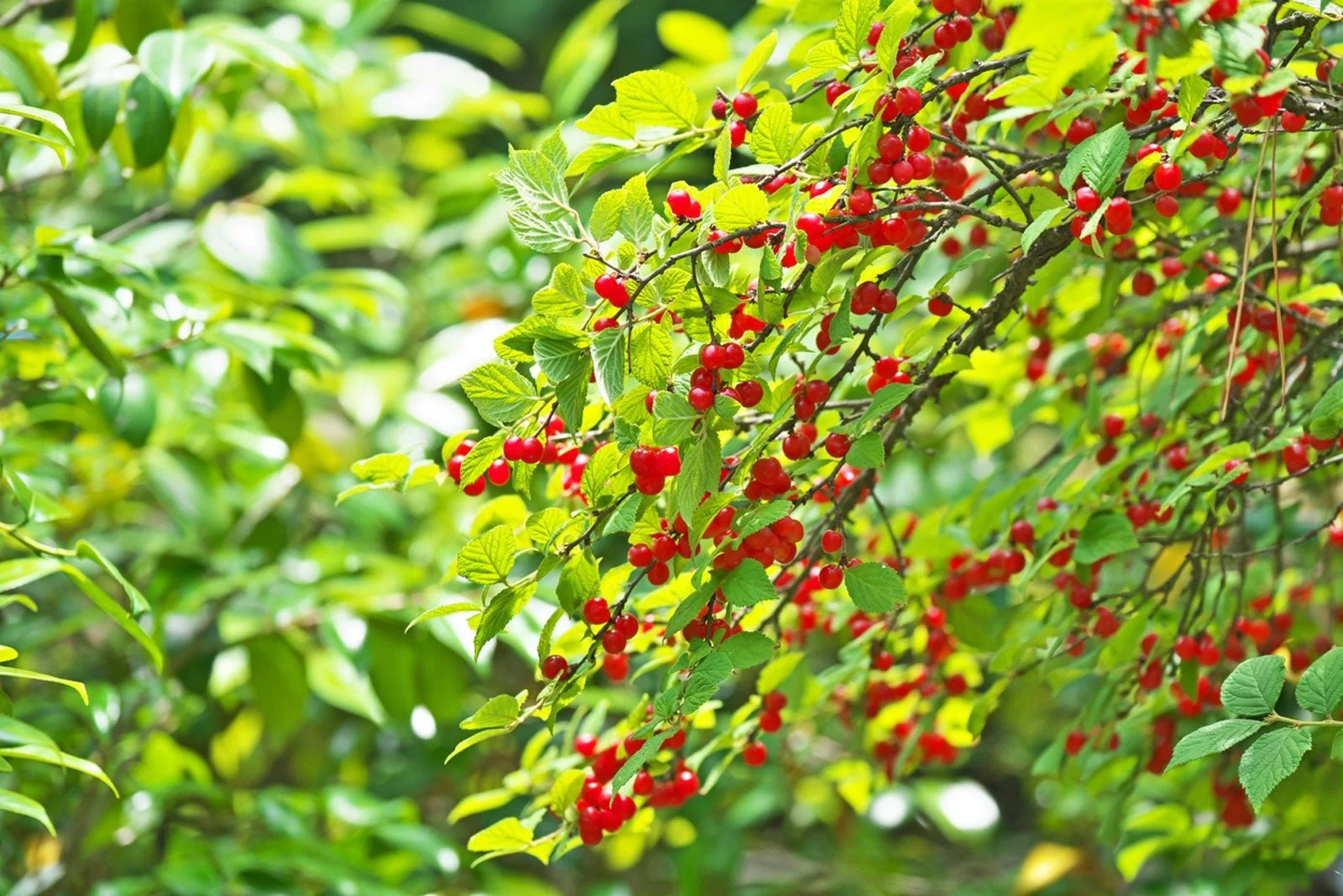
Nanking Cherry
This deciduous shrub is native to Northern and Western China, Korea, and Mongolia. Its flowers are white or pink with edible scarlet drupe that is sweet and tart. While colloquially known as Nanking Cherries, the tiny fruits are more similar to plums than to cherries. The plant is a great choice for growing in the Valley, as it is cold-resistant and drought resistant.
Staceyville Pear
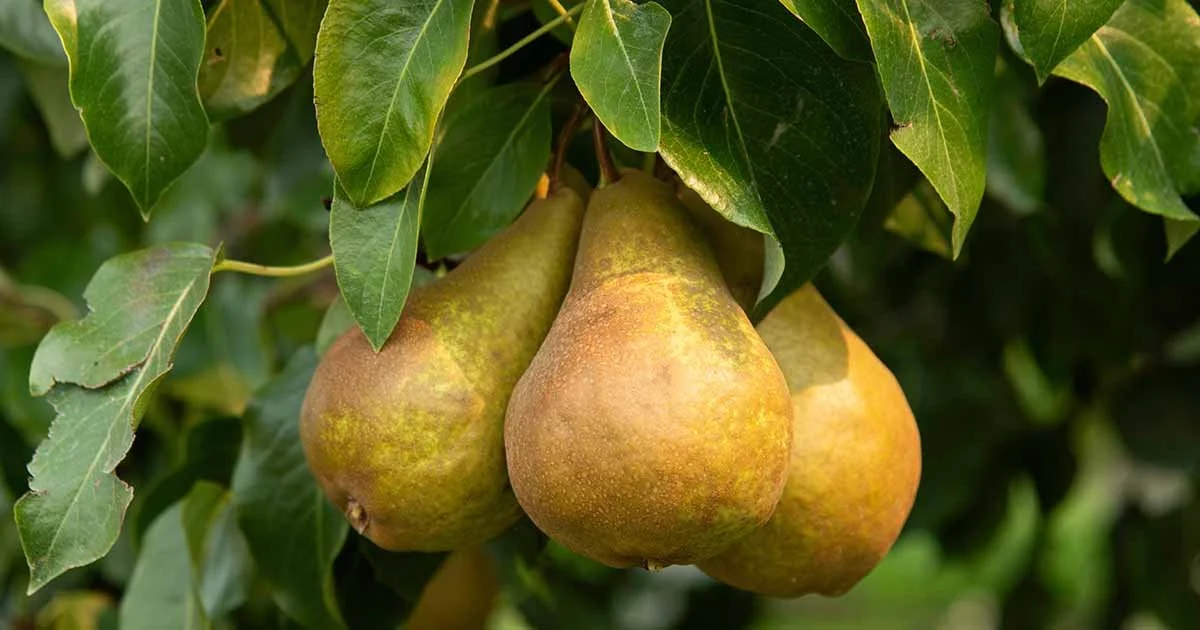
The Staceyville Pear tree is a cold-hardy, heirloom variety originating in Staceyville, Maine. It is a precocious, vigorous grower and highly productive before peak-harvest time in mid-August. It fruit has yellow skin and reddish blush with a sweet and mild flavor.
Summer Sweet Apple
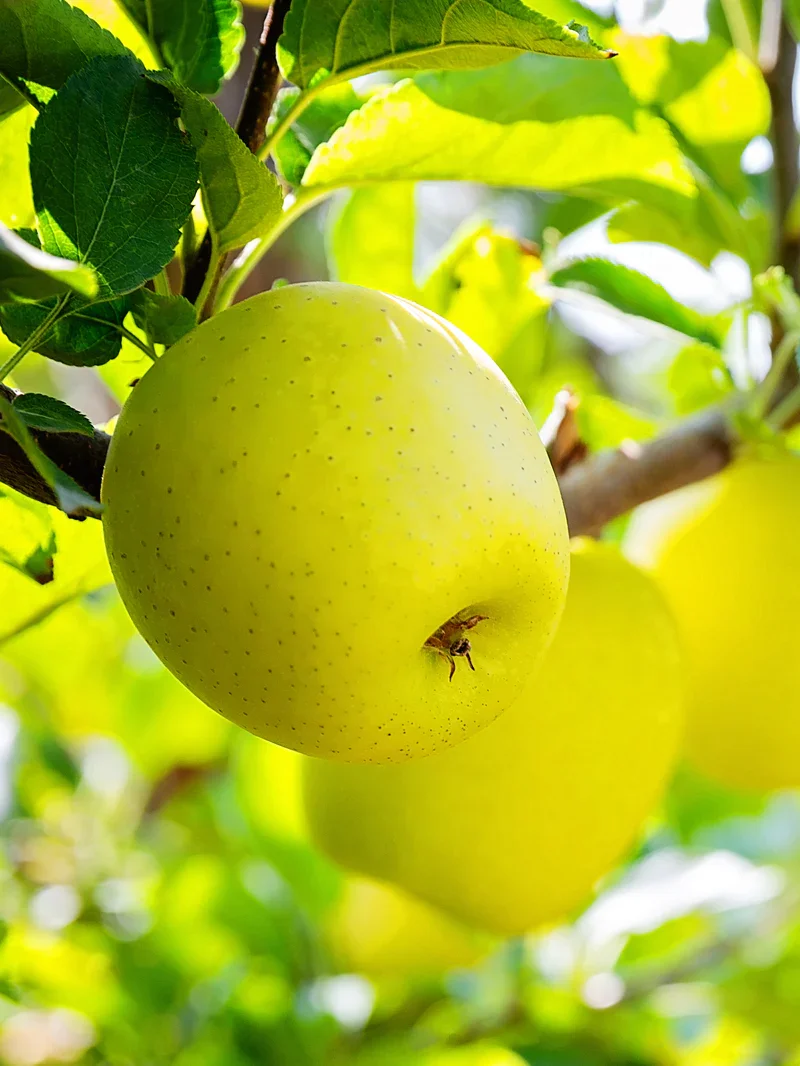
The Summer Sweet Apple tree is an heirloom variety from Maine. Its fruit bears yellowish golden skin. Harvested in late summer, the apple’s flesh is firm and mildly sweet.
Summercrisp Pear
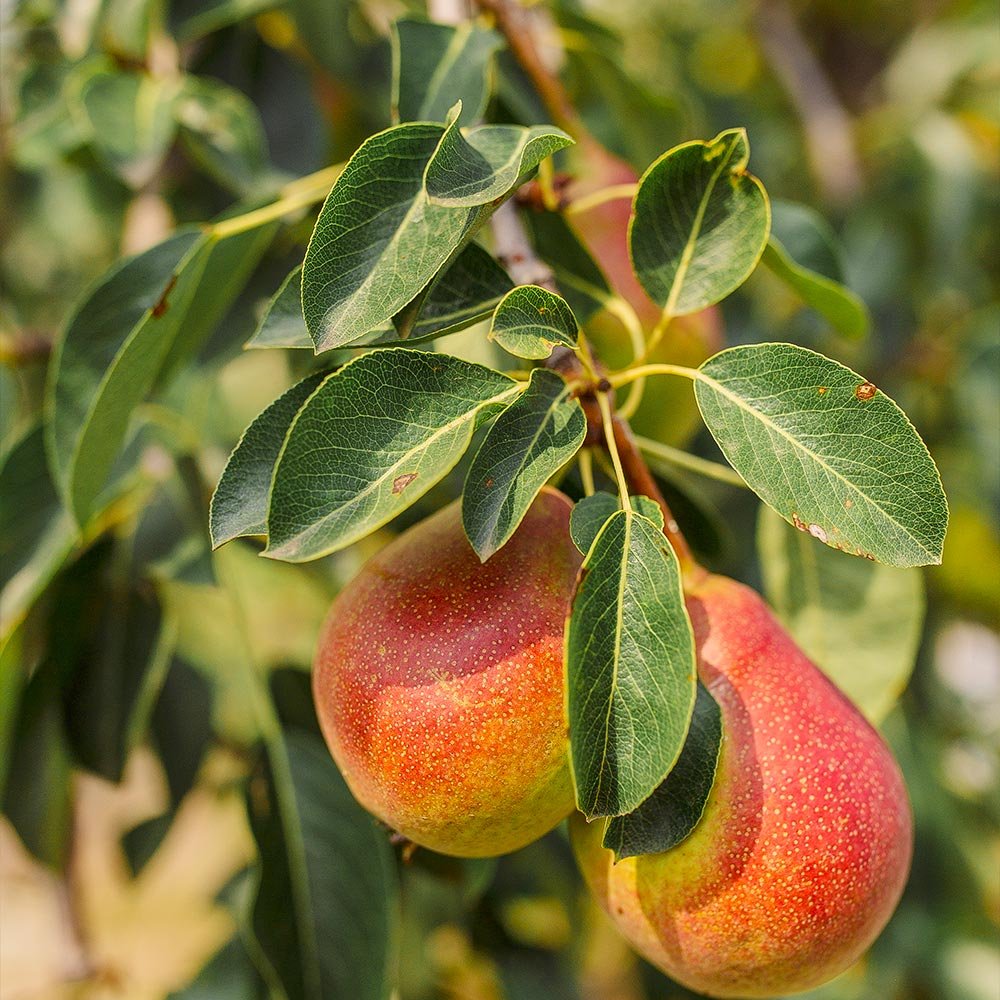
This vigorously growing pear was introduced by the University of Minnesota for use in cold climates. It is picked relatively early in the harvesting season and its flavor is similar to that of an Asian pear.
Red Mcintosh Apple
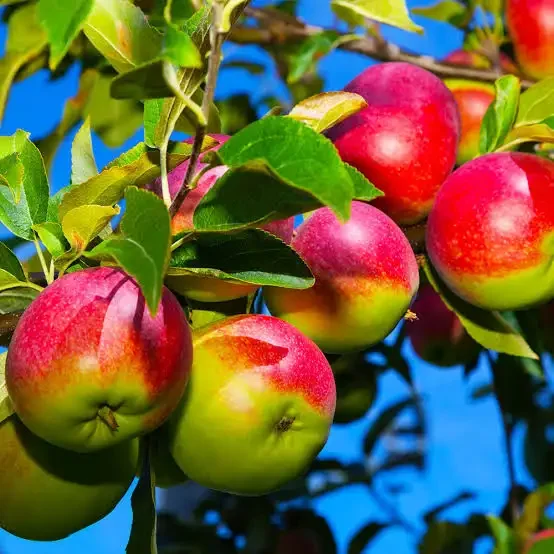
The McIntosh Apple, known colloquially as the Mac, is designated the national apple of Canada. The fruit has red and green skin, a tart flavor, and tender white flesh, which ripens in late September.
Haralson Apple
The Haralson apple is cold-hardy, tart, and crisp apple introduced by the University of Minnesota in 1922. It is known for being an excellent choice for pie-making and for having a long storage life.
Orchard & Tree Terms You Might Find Helpful
-deciduous: indicates that a tree sheds its leaves annually
-shrub vs. tree: a shrub consists of multiple woody stems coming from the same rootstock, while a tree is a single large stem coming from the ground
-cold-hardy: when a plant species is specifically adapted to survive and thrive in regions with cold winters, freezing temperatures, and frost or snow
-blush: the red or brown tint that appears on the skin of an apple as it ripens
-apple harvesting season: depends on the variety, anywhere from late July to early November
-drupe: a fleshy fruit with thin skin and a central stone containing the seed (ex: plums, almonds, and olives)
-heirloom: indicates a plant that has been cultivated, grown, and maintained by small farmers and gardeners, often in isolated communities for many generations
-productive: indicates that a tree variety consistently produces a large amount of quality, usable fruit (relative to tree size and age)
-precocious: indicates that a fruit tree matures early, typically producing fruit within 1 to 4 years of planting rather than the average 5 to 8+ years