Regenerative Agriculture at the Farm Park

The Rio Grande Farm Park sits on soil nourished for centuries by sediment from the Rio Grande. The land is some of the most fertile in the San Luis Valley. To keep it that way, we focus on soil health as the centerpiece of ecologically-sound food production. Healthy foods and healthy ecosystems all begin with healthy soil. We encourage and train farmers to utilize regenerative practices such as minimal or no tillage and cover-cropping, an emphasis on crop and plant diversity, no synthetic chemical biocides, and the conservation of pollinator habitat and water resources. We also split the Farm Park into 2 sections for growing, enabling us to rotate between fields every 3 to 5 years to rest and regenerate the soil.
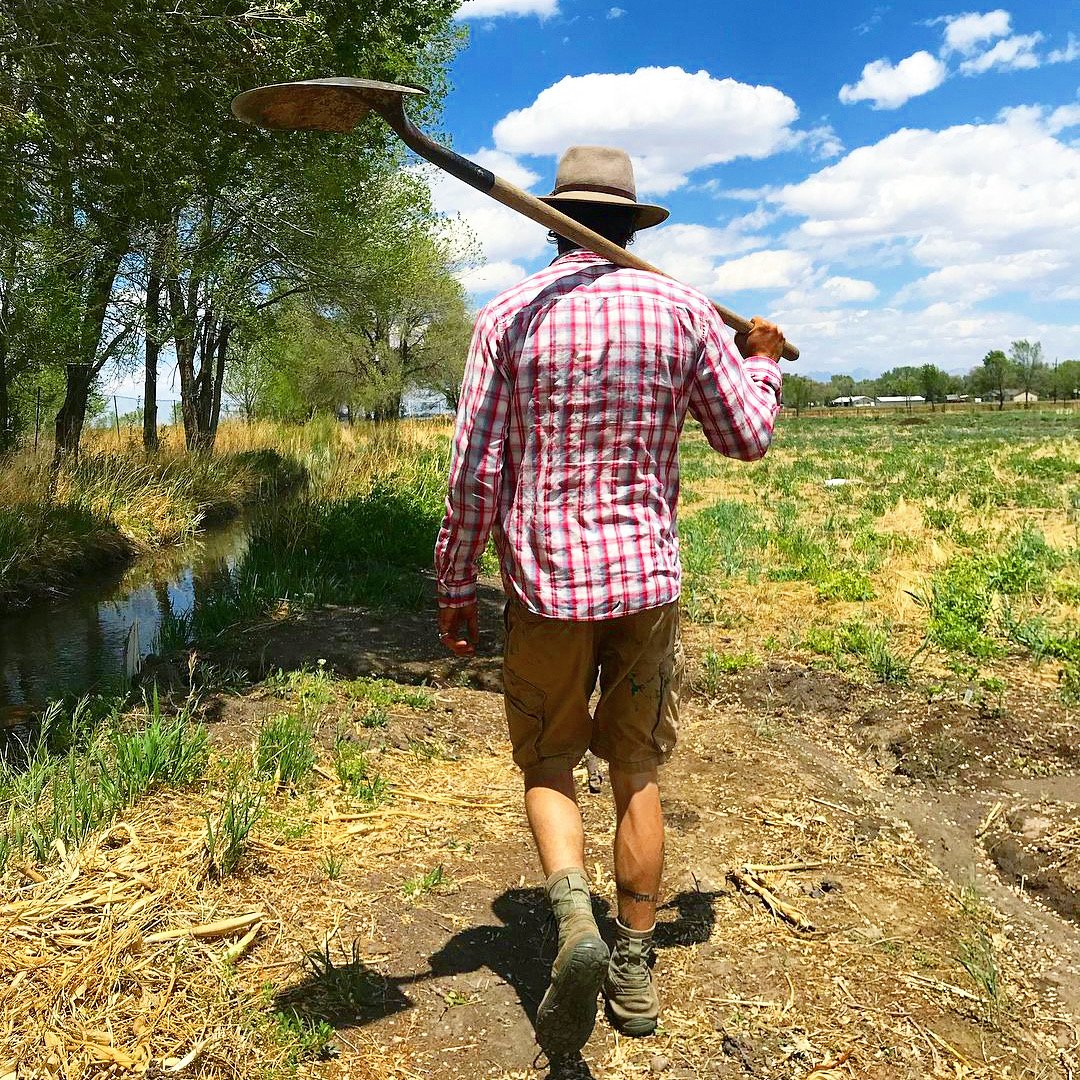
The preservation of the San Luis Valley’s precious water resources is central to our stewardship of the land. We use flood irrigation via an acequia system to provide water to farmers for growing for the first half of the growing season. In 2019, we installed a drip irrigation system to improve water efficiency and distribution for the latter half of each growing season. In a drought-prone region where water is the centerpiece of economy and politics, RGFP recognizes the valuable opportunity we have to lead our community in conservation-minded water usage and to reduce water-related conflict through thoughtful planning and open communication.
To meet the intent of our regenerative farming philosophy, we use untreated, non-GMO cover crop seeds in our inactive fields.
Soil Health Practices at the Rio Grande Farm Park
Soil Armor
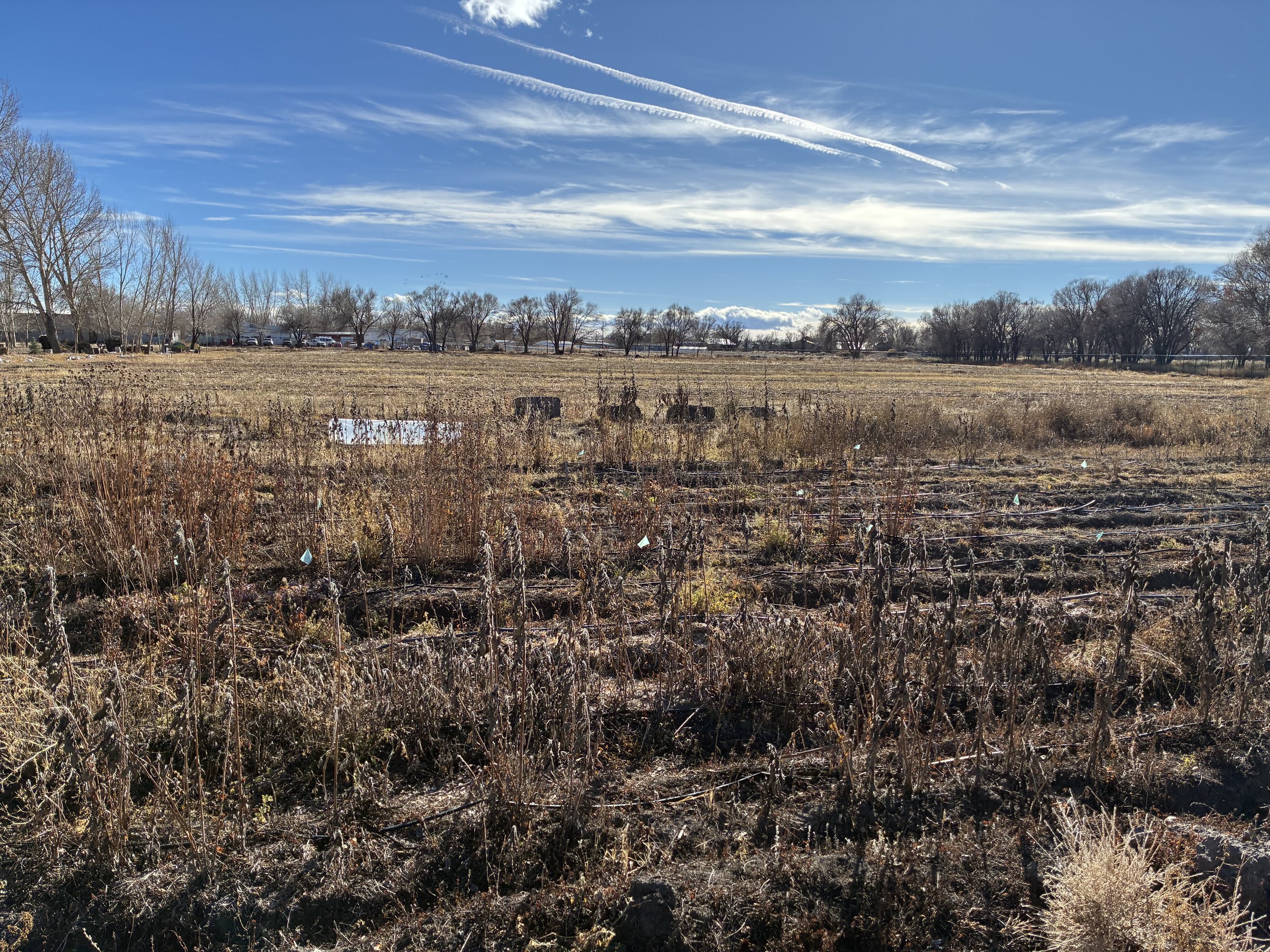
At the Rio Grande Farm Park, we armor our soil through various means. We cover-crop our farm plots during the off-season with rye and cover-crop our fallow fields with perennials.
We also mow our farming fields in the fall to incorporate organic matter into the soil. Trees and dormant beds around the park are mulched with natural materials such as straw and wood.
2. Minimal Soil Disturbance
Farm Park staff prepares seed beds with minimal tillage in the springtime before our farmers plant their crops, which allows the soil to maintain its structure while holding onto water and organic material more efficiently. We do not till at all at the end of harvest.
Additionally, we have a small, designated no-till section in our commercial farm plot area.
3. Plant Diversity
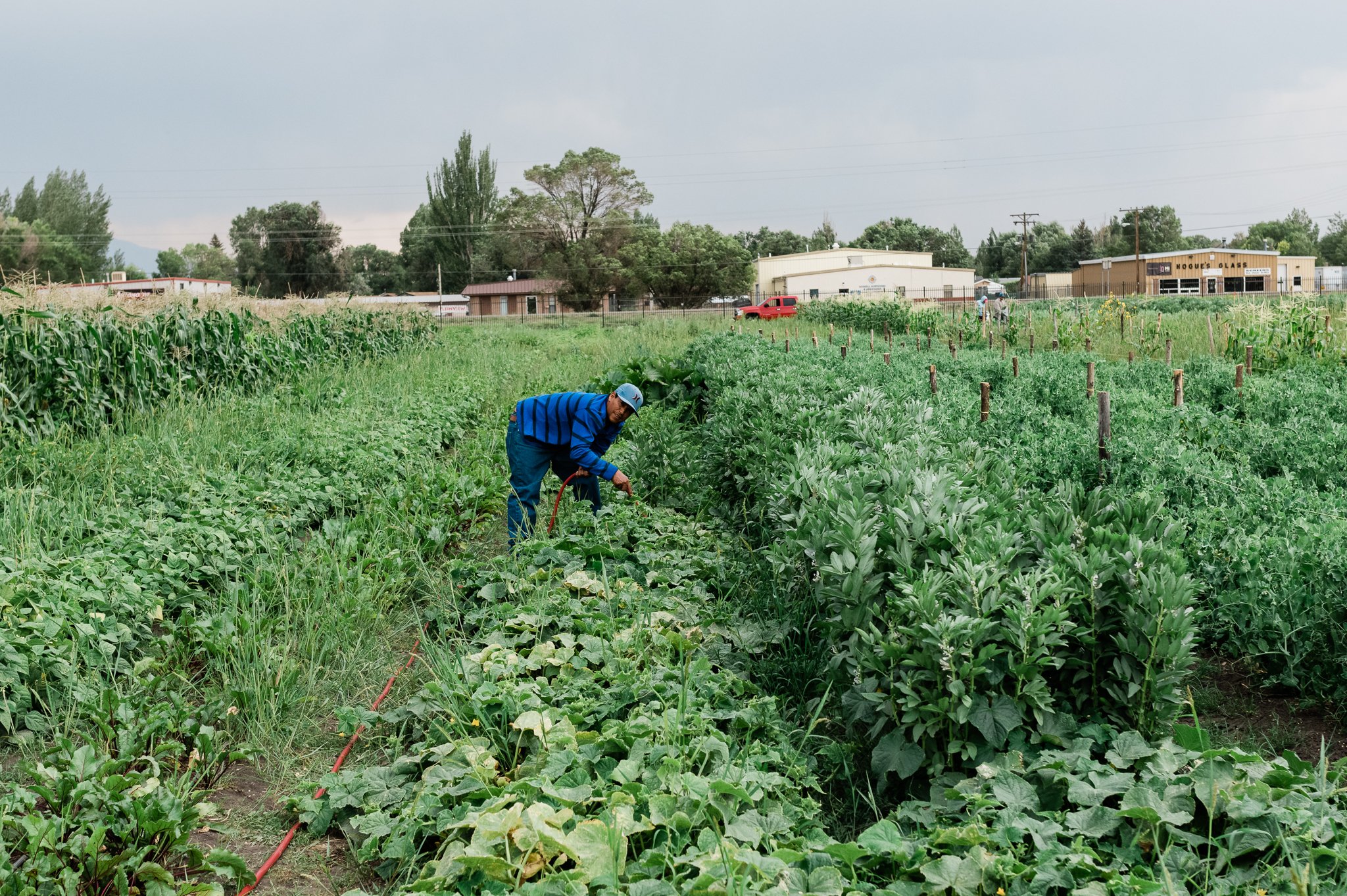
We encourage farmers to plant a diverse range of approximately 30 different crops for the growing season. This helps to increase environmental and plant resilience while reducing nutrient depletion in the soil.
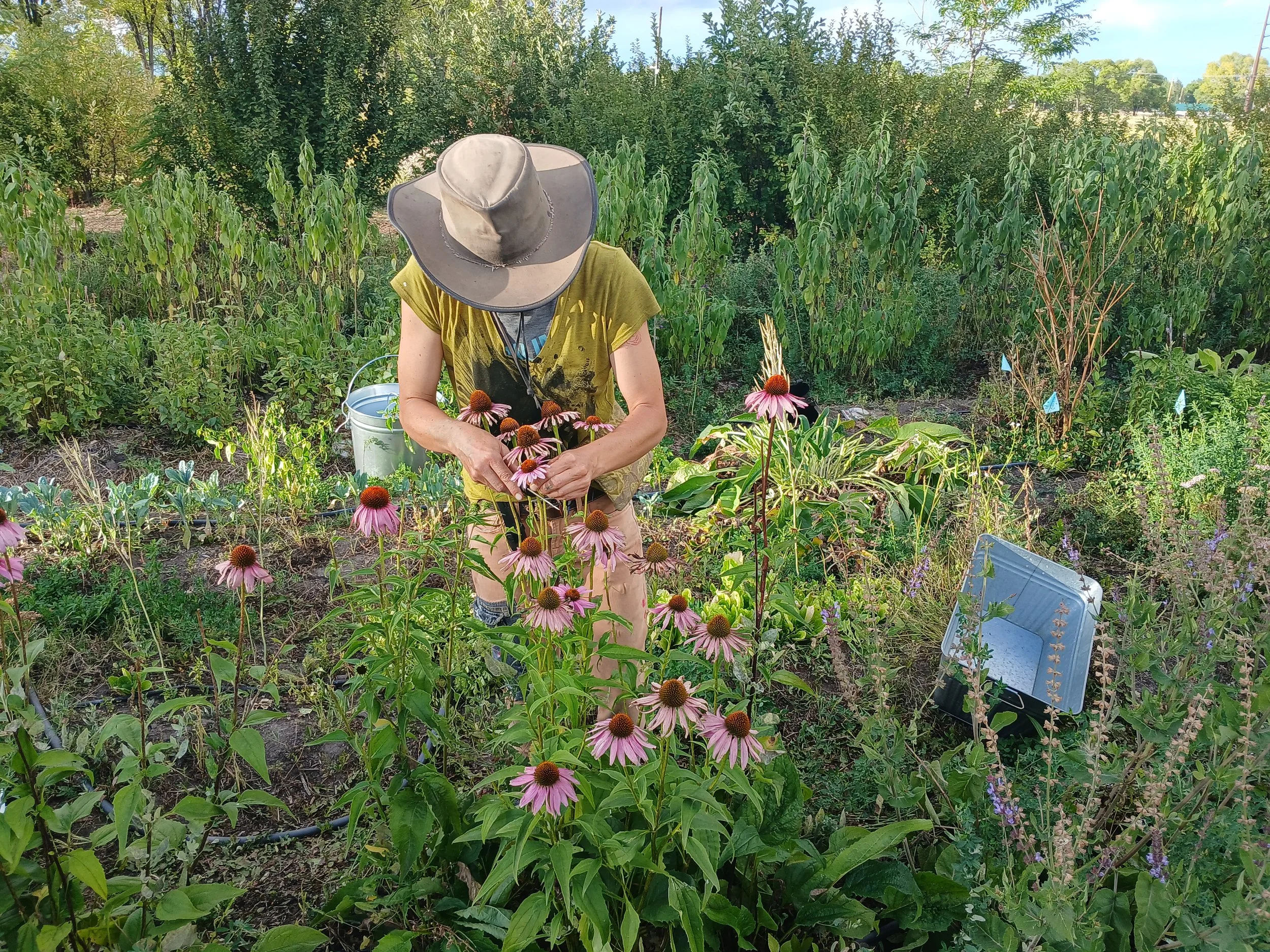
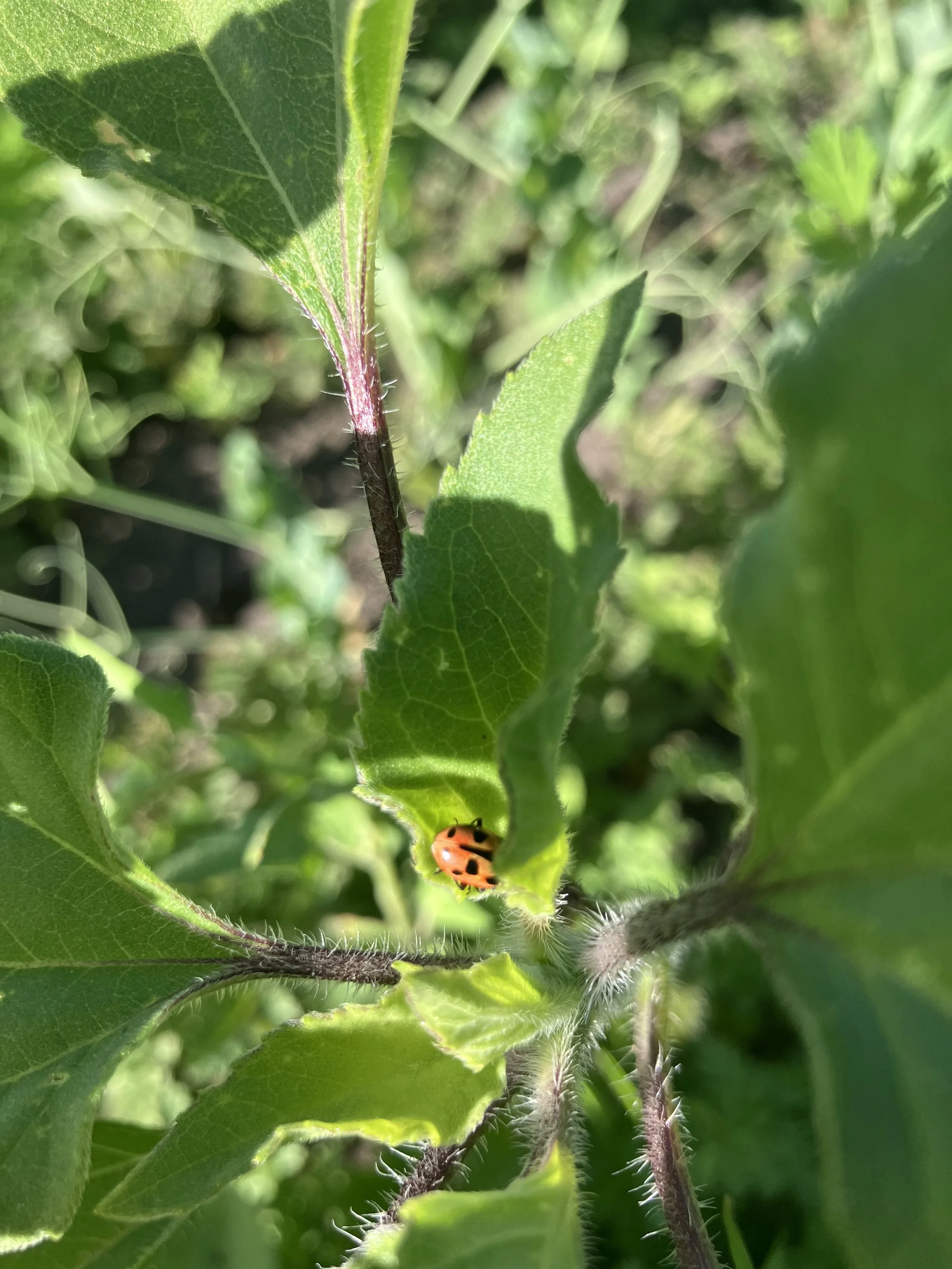
We also intentionally plant and maintain a diverse range of beneficial native and pollinator plants around the park for soil and ecological health.
4. Continual Live Plant Roots
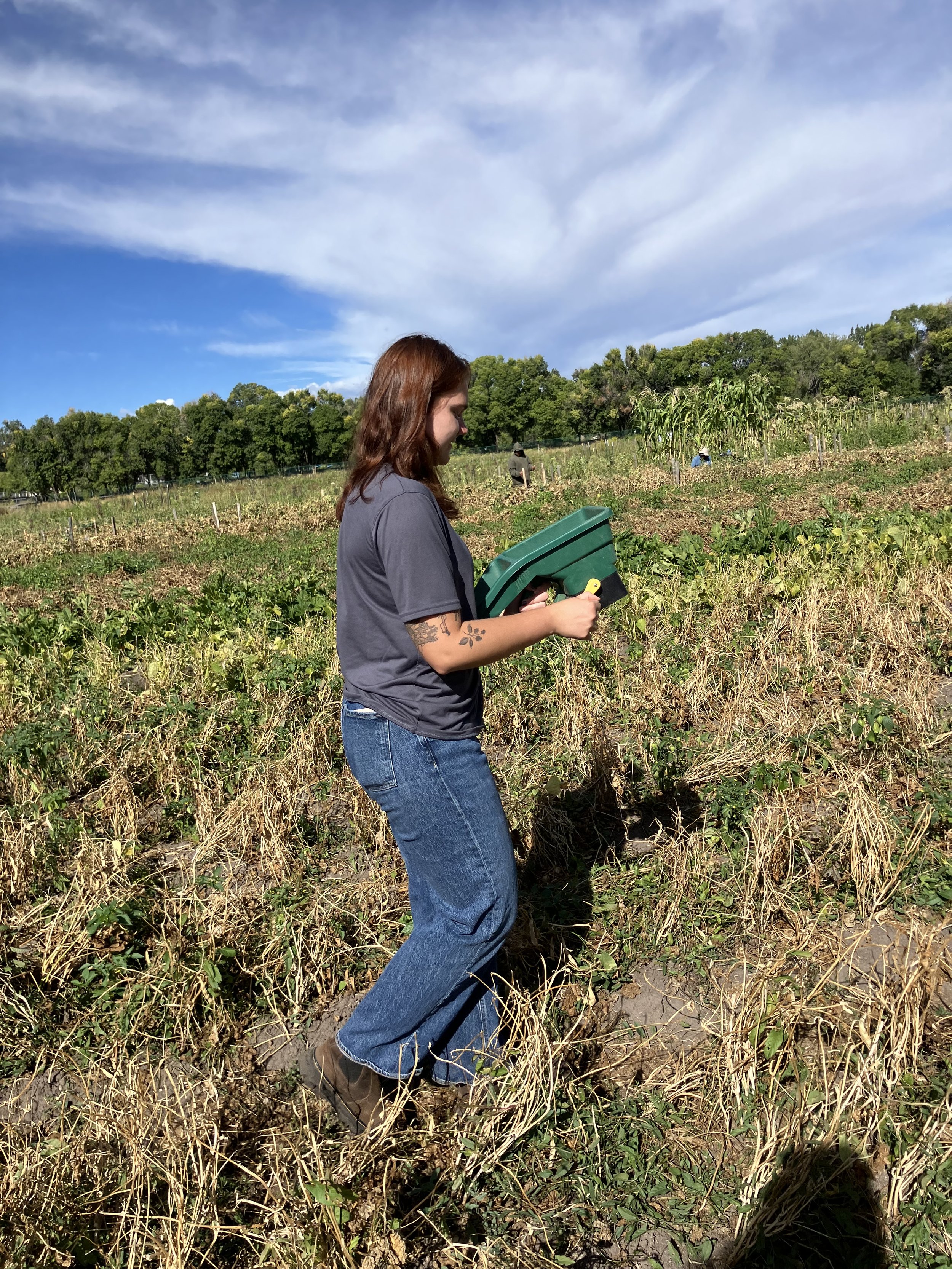
All active farming plots are cover-cropped with annual cereal rye soon after harvest.
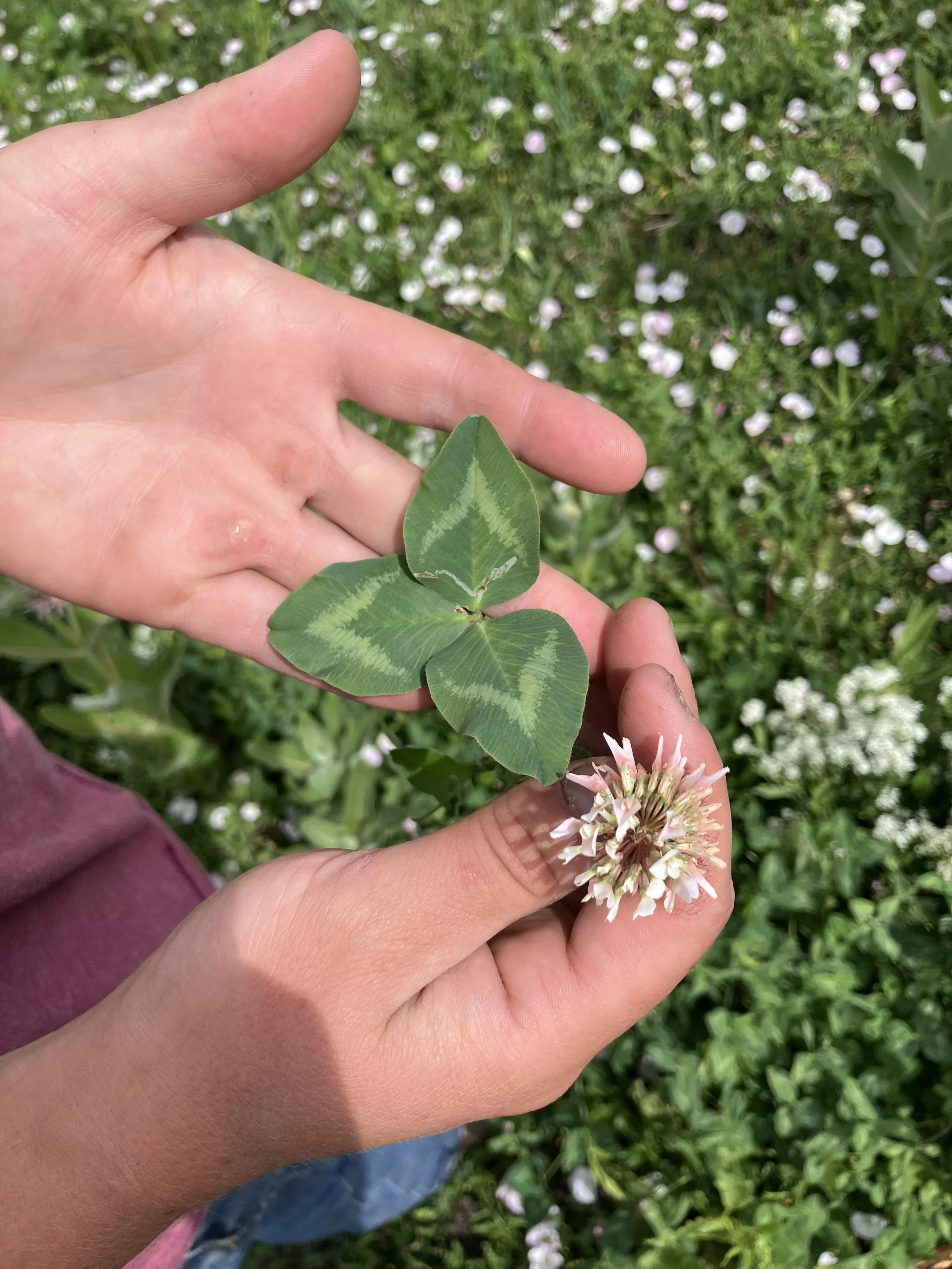
In our non-active farming plots, a perennial mix of clover, pea, sunflower, barley, oat, and wheat is used for cover-cropping. The combination of shallow and deep roots improves our soil structure and organic matter content. The addition of nitrogen-fixing plants aids in soil fertility.
5. Integration of Livestock
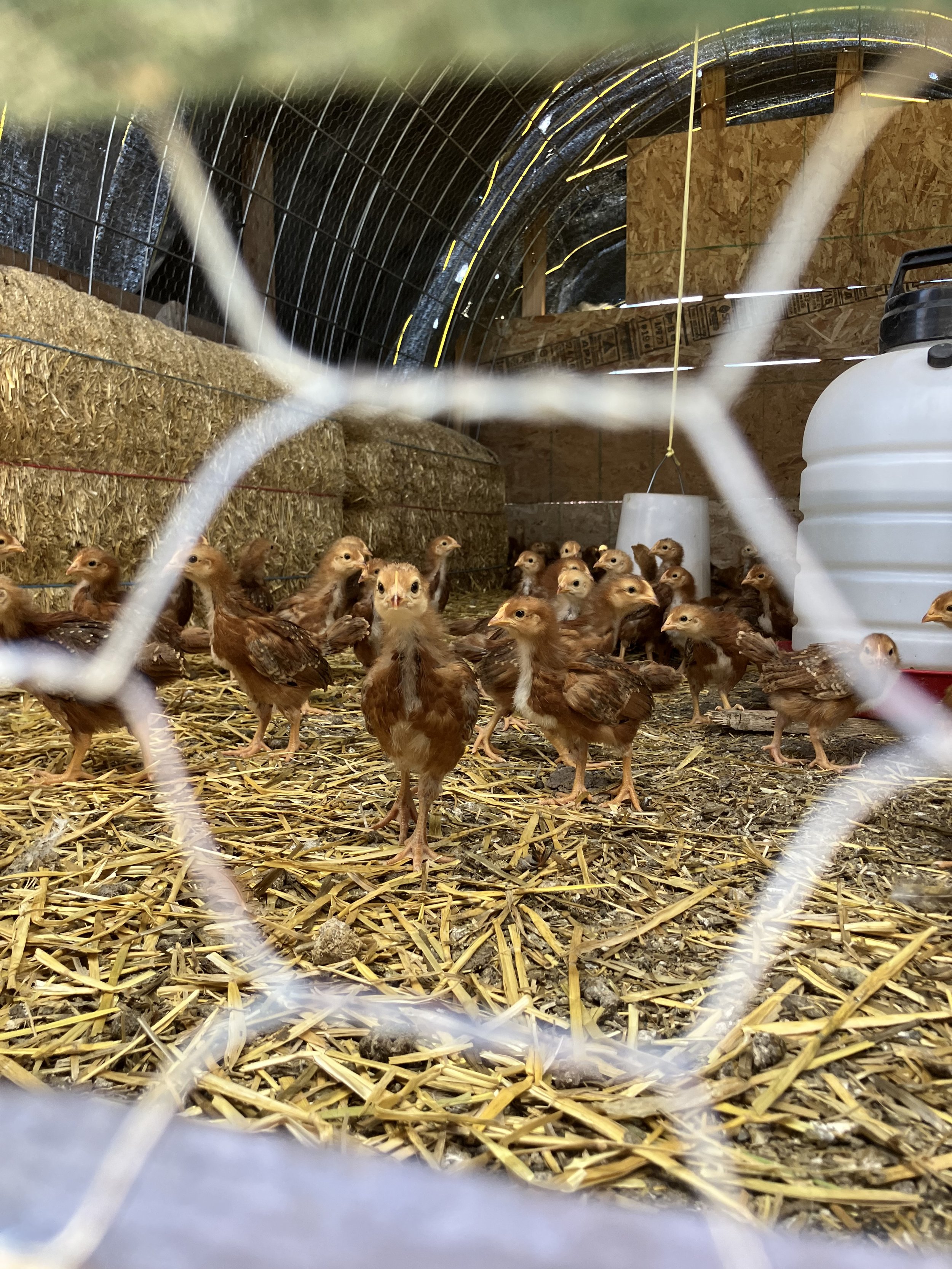
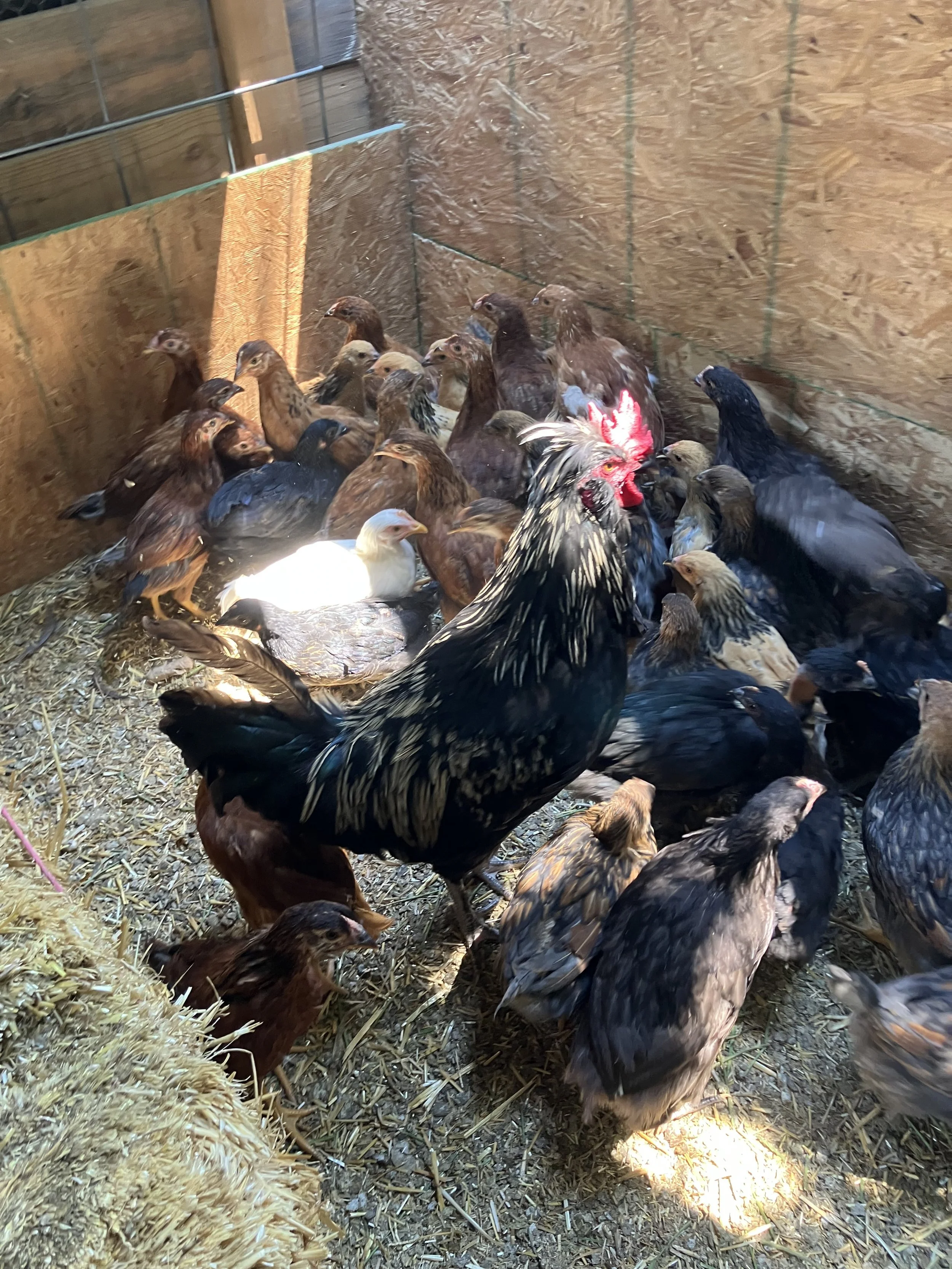
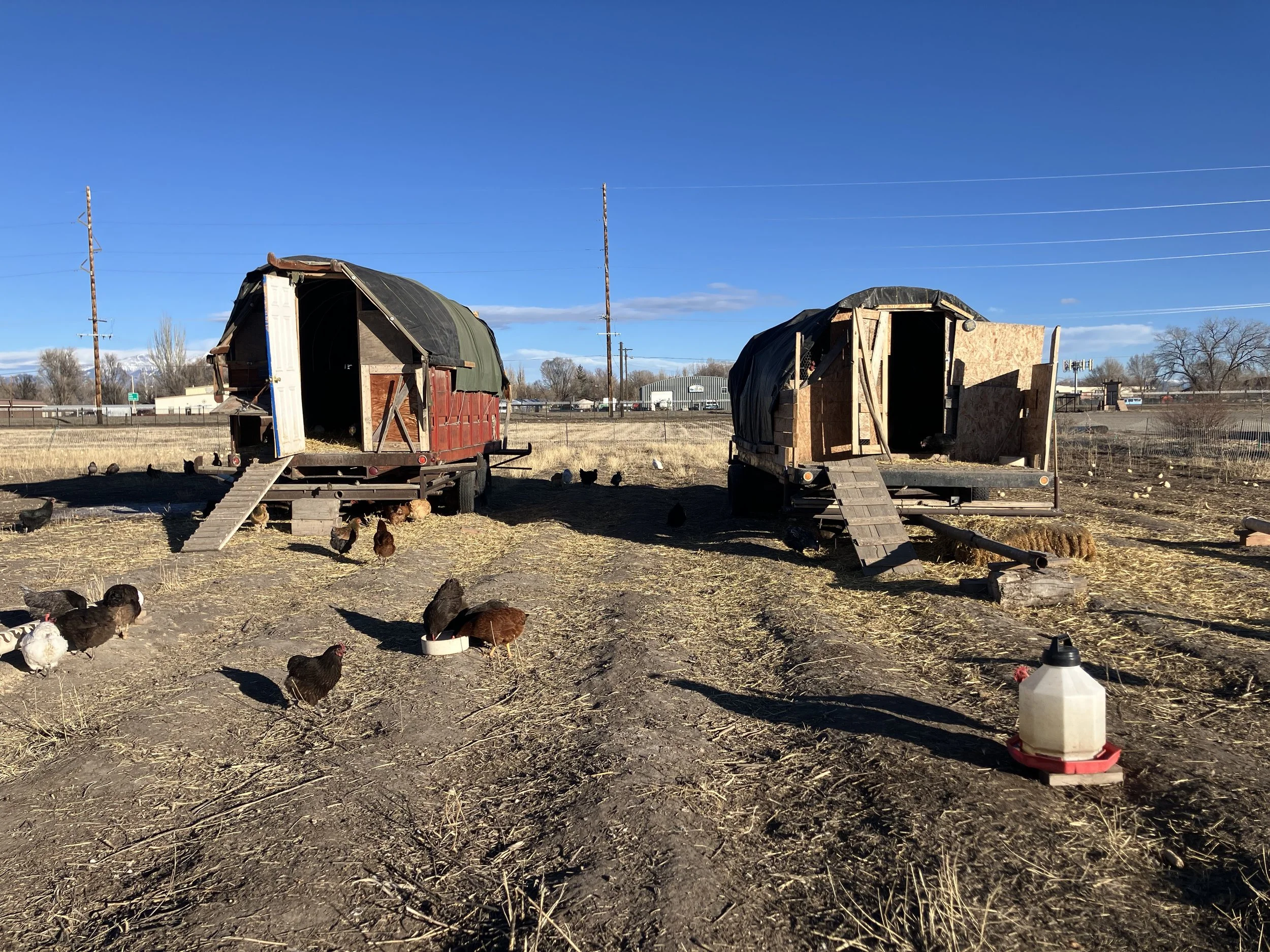
In 2019, chickens were piloted at the Farm Park as a regenerative agricultural model to increase soil fertility and improve soil structure.
In the future, we hope to integrate sheep in the fallow fields as another tool to build up soil health through animal husbandry.
More information about the Five Principles of Soil Health can be found on the NRCS website, linked HERE.