Ornamental Trees Around the Farm Park
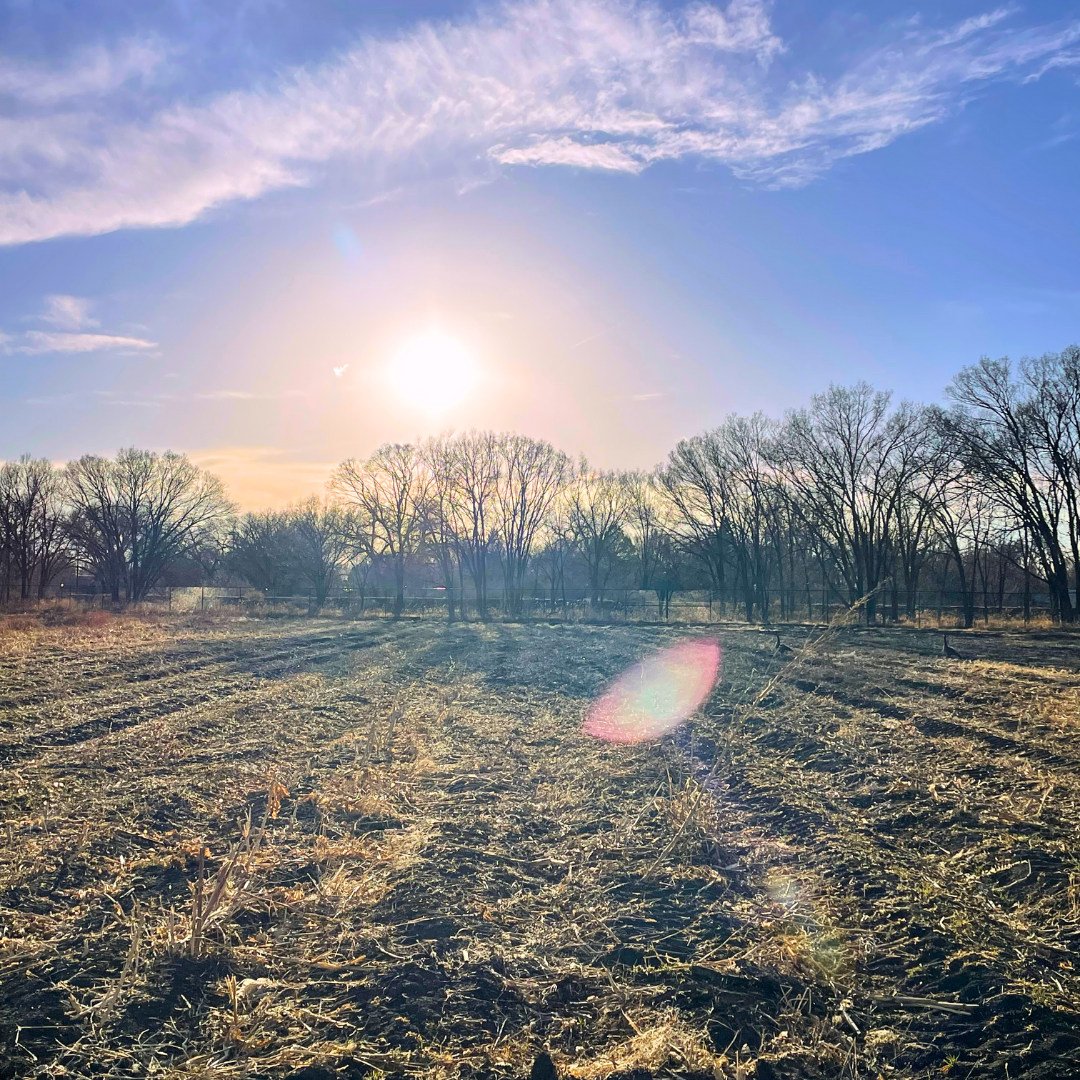
Apart from the many fruit trees planted in our orchard, the Farm Park boasts a wide range of ornamental trees within our thirty-eight acre property.
Some of these trees are native to Colorado and their presence on the land pre-dates the Farm Park’s existence. Others have been planted more recently with the intention of gifting future generations with their beauty, shade, and ecological value.
In 2026, we received a grant from the Colorado Tree Coalition for twenty new trees to place around the park. These trees will be planted by volunteers as part of a larger Arbor Day celebration this year. Read about some of them below!
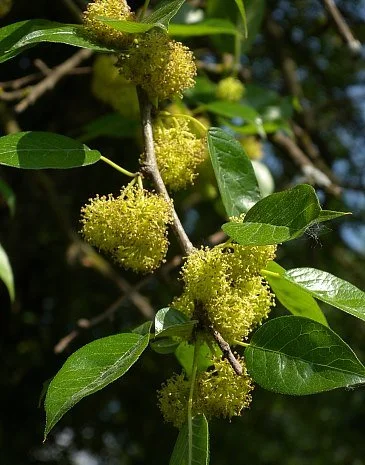
The Osage Orange tree, also known as “mock orange”, is native to the South-Central United States. While not directly related to the orange tree, it gets its name from its bright yellow-green, inedible fruit that resembles an immature orange. Native Americans (including the Osage, Comanche, Cherokee, Shawnee, Wyandotte, and Blackfeet) often used the wood from mock orange for bow-making because of its durability and flexibility.
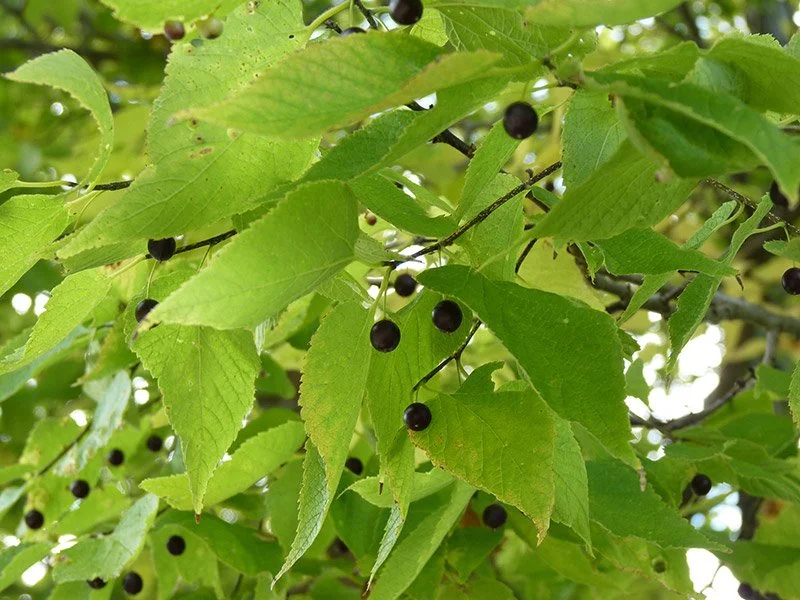
The Hackberry tree is native to North America. Like many hardwoods, Hackberry can live for quite a long time. These trees can grow up to 130 feet tall. Various cities in Serbia and Slovakia are known for extensive use of Hackberry trees along their streets. Additionally, its fruit served as a traditional food source the Omaha, Dakota, and Pawnee peoples in North America.
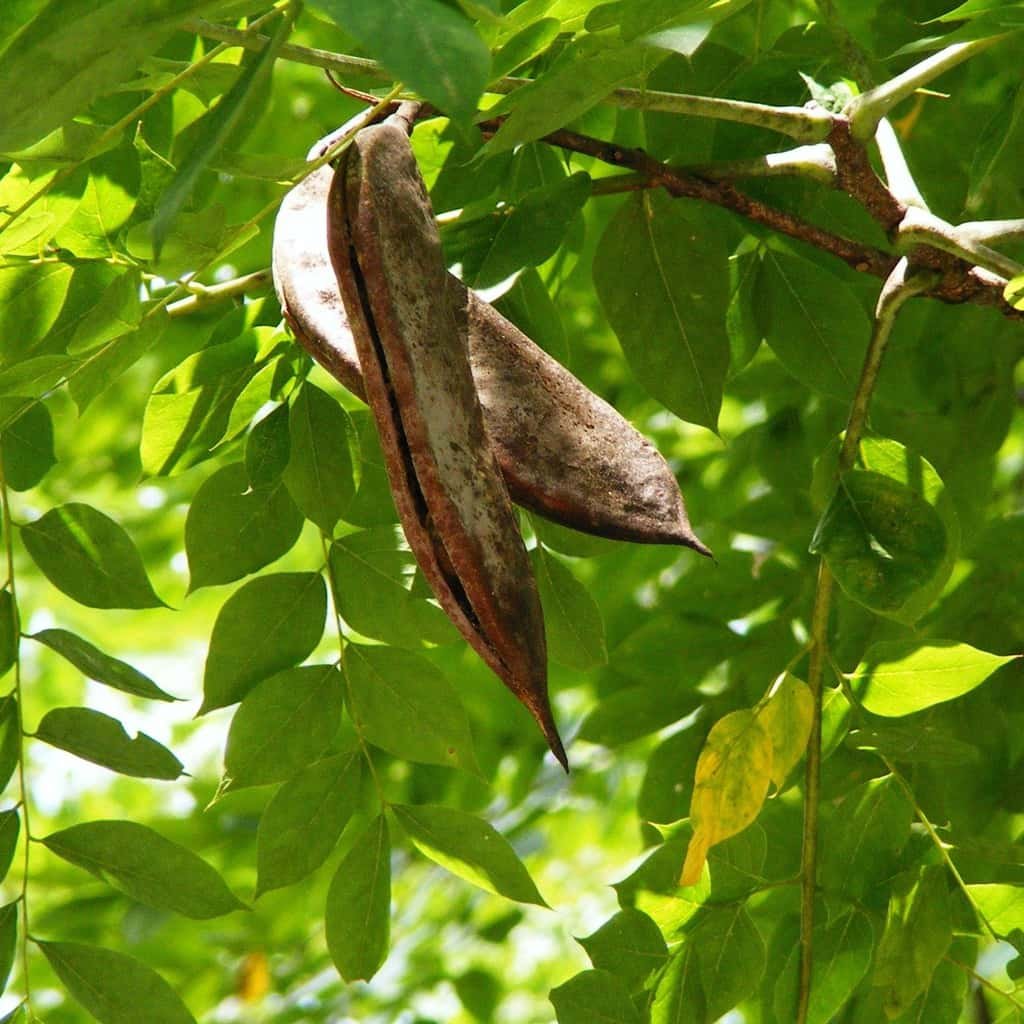
Kentucky Coffeetree is a rare tree species native to North America. Named for the fact that it used to be the state tree of Kentucky (from 1976 to 1994), Kentucky Coffeetree wood is widely used by cabinetmakers and carpenters, while its seeds may be roasted and used as a substitute for coffee beans. Additionally, it was historically used by the Meskwaki people for ceremonial and recreational purposes.
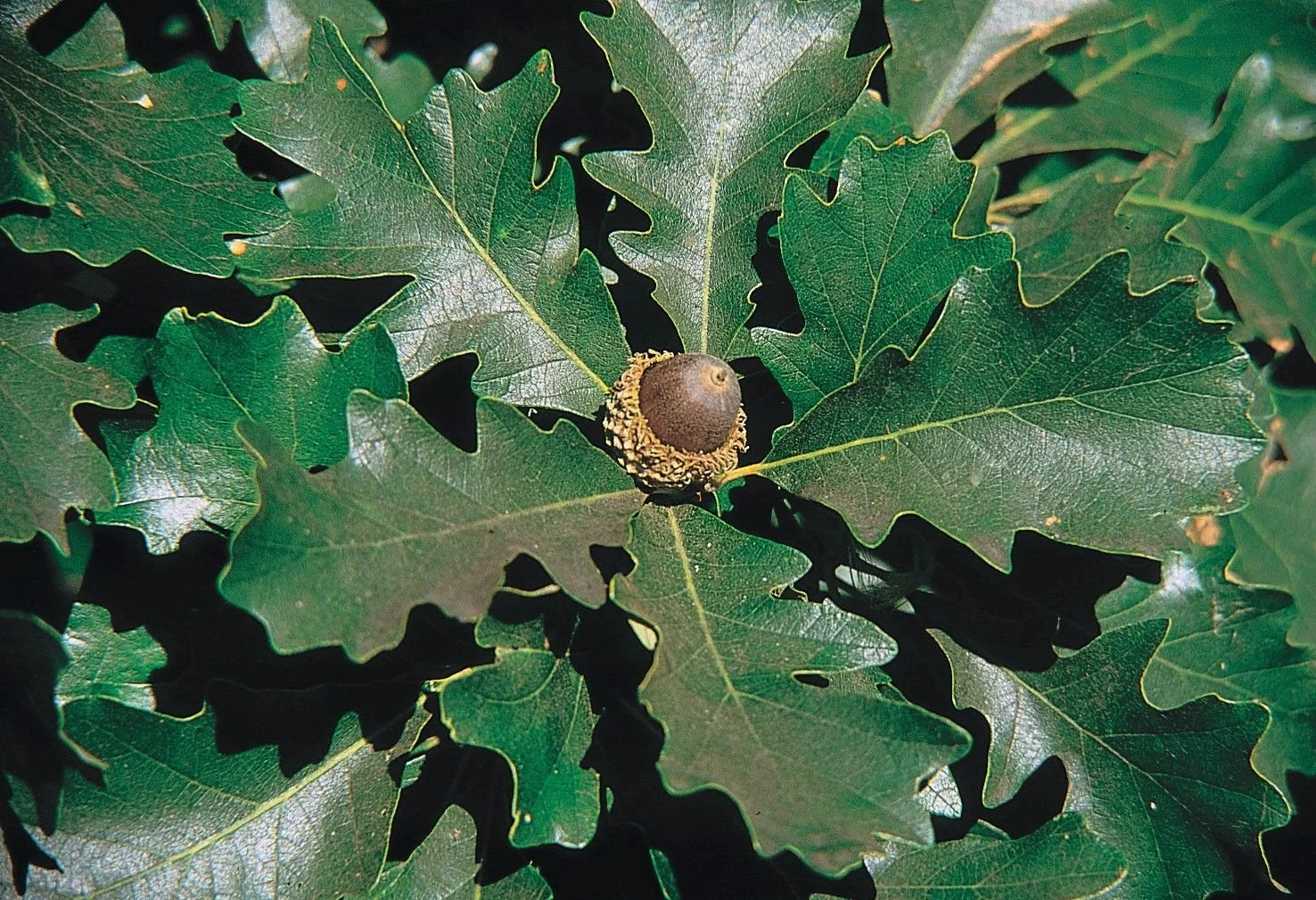
The Bur Oak is a slow-growing tree hailing from Central and Eastern North America. Its acorns are the largest of any North American Oak and it can live to be up to 400 years old! Native American tribes in the Great Plains, Midwest, and Great Lakes regions historically used the astringent bark to treat wounds, sores, and rashes.
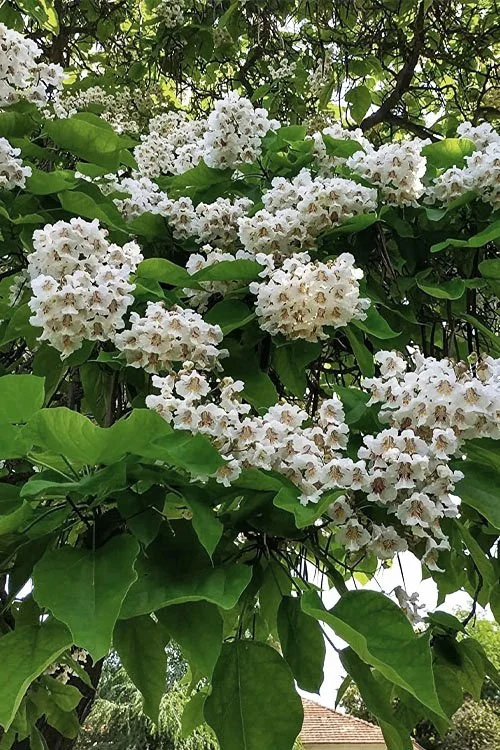
Sometimes called a “cigar tree”, the Northern Catalpa is native to the Midwestern United States. Though the tree tends to grow crookedly, its wood is considered ideal for carving and boatbuilding. The Northern Catalpa is also typically one of the last trees to grow its leaves back in the spring.
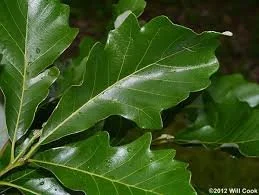
The Swamp White Oak can live up to 300 years. It is commonly used in lumber production throughout North America.
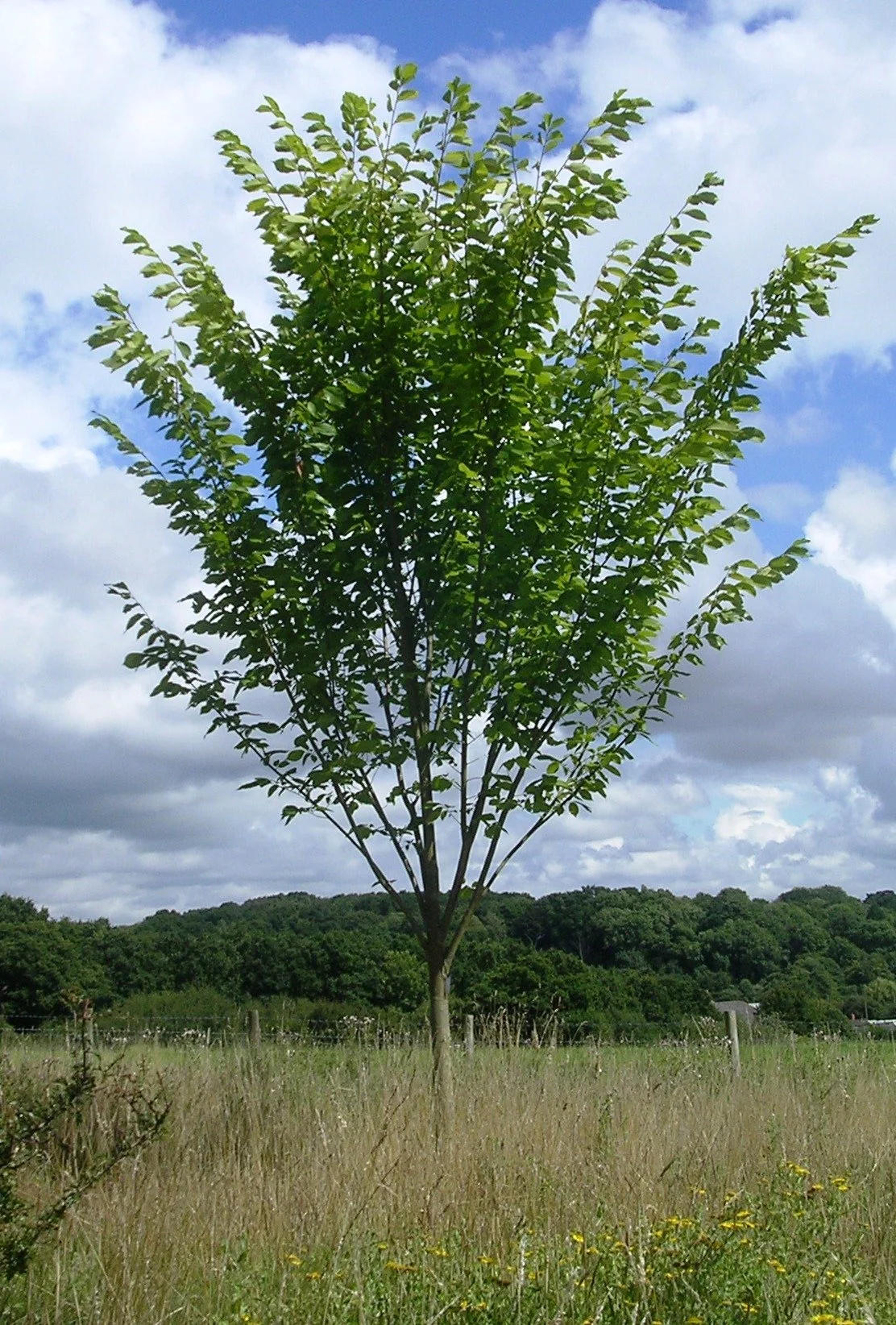
The Princeton Elm is a fast-growing tree with a moderate resistance to Dutch elm disease, making it an ideal elm variety to grow in North America.
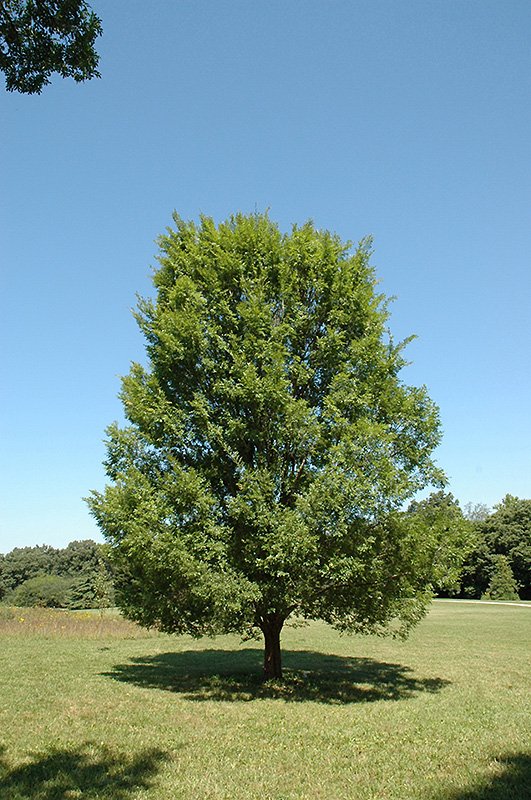
The Allee Elm, also called a “Chinese Elm”, is another elm variety with an exceptionally high resistance to Dutch elm disease, making it a popular ornamental choice in North America.
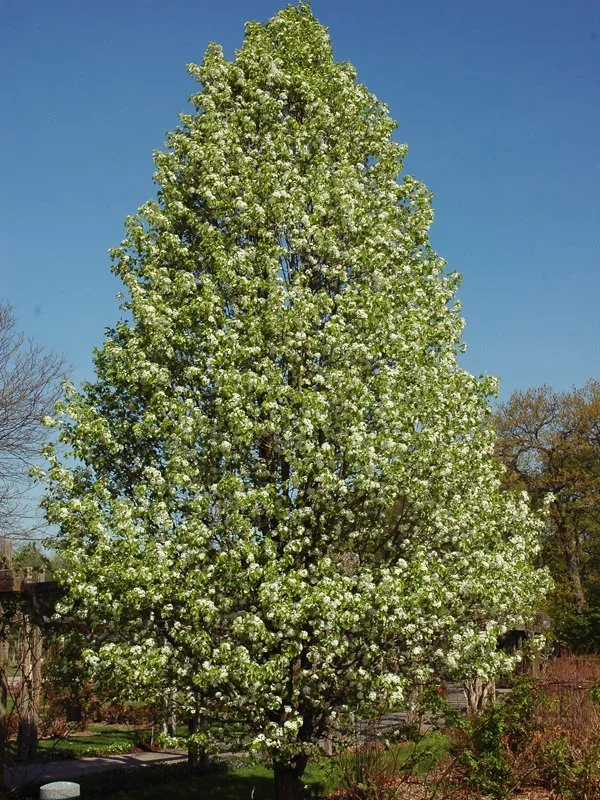
The Glens Pear tree originated in China and Taiwan. It is a fast-growing tree that sports beautiful white flowers in the spring and turns reddish purple in the fall.
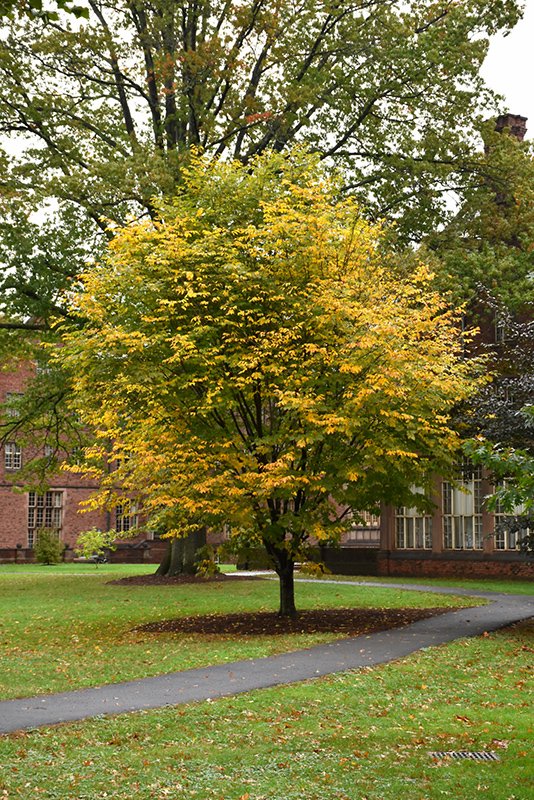
The Yellowwood tree, also known as a “Virgilia”, is a rare species native to the Southeastern United States. It produces fragrant white flowers in early summertime, which are enjoyed by many different pollinators.